

Cost to Replace a Front Door with Sidelights in Canada
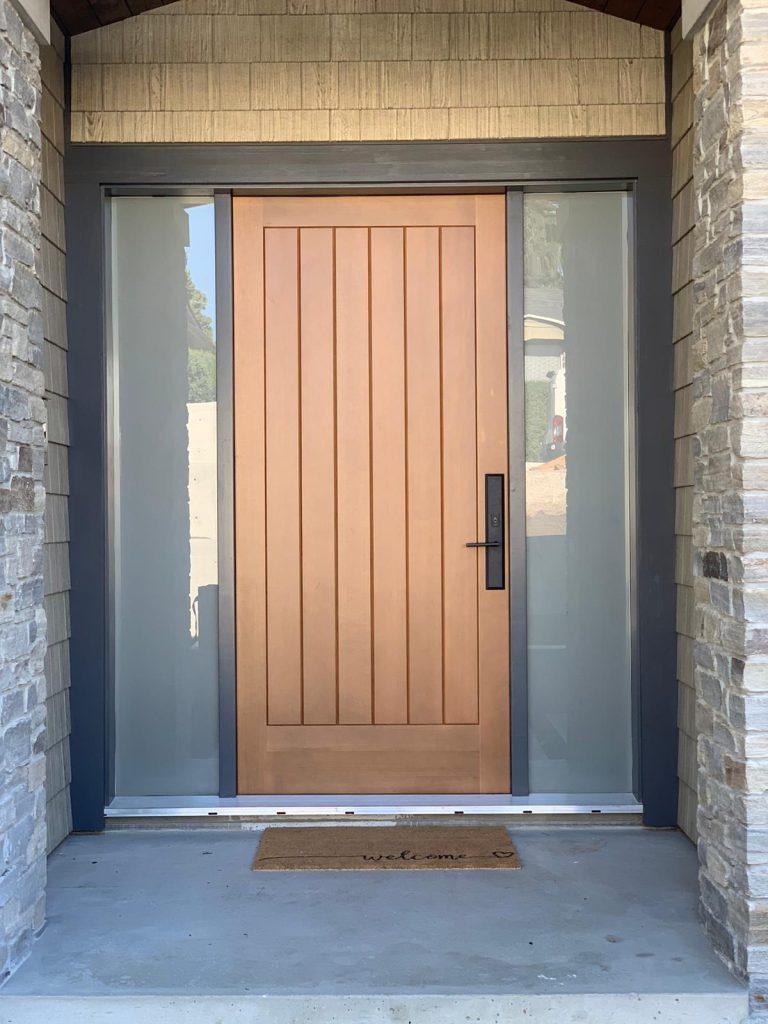
The cost to replace a front door with sidelights is usually higher than the cost of replacing a standard front door, but the final price depends on much more than the door itself. Whether you’re replacing a single sidelight or a full double-sidelight entry system, the biggest factors are the door material, the condition of the existing frame, and how much installation work is required. We’ll break down average price ranges, compare common door materials and sidelight configurations, and explain when replacing the entire entry system makes more sense than replacing only the door. If you’re planning a standard front door replacement without sidelights, you can also read our guide to Front Door Replacement Cost in Canada. What Affects the Cost to Replace a Front Door with Sidelights? When estimating the cost to replace a front door with sidelights, the final price depends on much more than the door itself. Your choice of material, the number of sidelights, glass options, and the amount of installation work all play a role. Across Canada, homeowners typically pay between $3,200 and $10,000+ to replace a front door with sidelights, including professional installation. The final cost depends on the material, entry system design, glass options, and whether structural modifications are required. Average Installed Cost by Door Material and Sidelight Configuration The table below shows typical installed price ranges for common front door systems with sidelights in Canada. Material Door + 1 Sidelight Door + 2 Sidelights Steel $3,200–$5,000 $4,500–$6,500 Fiberglass $4,500–$8,500 $5,800–$10,500 Solid Wood $6,000–$10,000+ $8,000–$14,000+ These are typical installed price ranges for Canada. Actual costs vary based on door size, glass options, hardware, custom designs, structural modifications, and local labor rates If you’re comparing the cost of replacing different types of entry doors, our Door Replacement Cost guide explains what homeowners typically pay for various door replacement projects across Canada. Key Factors That Affect the Total Cost 1. Door Material Door material is one of the biggest factors affecting the cost to replace a front door with sidelights. Steel systems generally cost the least, while fiberglass and solid wood increase the overall investment because of higher material and manufacturing costs. Steel is generally the most affordable option. It offers excellent security, good insulation, and requires very little maintenance, although it can dent if subjected to heavy impact. For many Canadian homeowners, fiberglass doors offers the best balance between appearance, durability, and maintenance. It resists moisture, handles seasonal temperature swings well, and can closely replicate the look of real wood. Solid wood doors provide a premium appearance and can be customized in many styles, but they come with the highest purchase price and require regular maintenance to protect them from moisture and seasonal movement. If you’re considering this material, our guide to Wood Door Replacement Cost explains the factors that influence pricing, installation, and long-term maintenance. 2. Sidelight Configuration The number and style of sidelights also influence the cost to replace a front door. Adding a second sidelight increases both material and installation costs, but it also creates a wider entrance and brings more natural light into the home. Not all sidelights cost the same. Standard clear-glass sidelights are usually the most economical option, while decorative designs, divided lites, custom shapes, or matching panel details increase both manufacturing and installation costs. 3. Glass Options and Energy Efficiency Glass selection affects both appearance and performance. Standard clear glass is often the most affordable option. Decorative, frosted, textured, or privacy glass increases the overall price, while premium decorative inserts can add $300 to $1,200 or more per sidelight. Many modern exterior doors are available with Low-E coated, argon-filled glass, which improves energy efficiency, reduces heat transfer, and helps minimize condensation during Canadian winters. 4. Installation Requirements Installation costs vary depending on the condition of the existing opening and the scope of the project. A full-frame replacement—which includes replacing the frame, jambs, interior casing, and exterior trim—typically costs 20% to 30% more than replacing only the door slab. However, it also provides a better seal, improved insulation, and allows hidden issues around the opening to be repaired. If you’re converting a standard front door into a wider entry with sidelights, the project becomes more involved. Expanding the opening may require structural framing, header modifications, exterior finishing, and relocating nearby electrical switches or trim, which can add $1,000 to $2,500 or more to the overall project cost. Should You Replace Just the Door or the Entire Entry System? If you’re trying to reduce the cost to replace a front door with sidelights, you may wonder whether replacing only the door is enough. In some situations it is—but in others replacing the complete entry system is the better long-term investment. The decision comes down to the condition of the existing frame, the sidelights, and whether you’re simply replacing a worn door or updating the entire entrance. Replacing Only the Door If the existing frame and sidelights are in excellent condition, replacing only the door may be possible. This option can reduce material and labor costs while giving your entry a refreshed appearance. A replacement door must fit the existing frame precisely. Even small differences in size, hinge locations, or door thickness can create installation problems. If the existing frame is out of square or has shifted over time, replacing only the door may not deliver the results you’re expecting. Replacing the Entire Entry System If the frame is damaged, outdated, poorly insulated, or you’re changing the overall design, replacing the complete entry system is often the better investment. A new door, frame, and sidelights are designed to work together, which can improve energy efficiency, weather sealing, security, and overall appearance. Replacing the entire entry system costs more upfront, but it eliminates compatibility issues between old and new components while creating a cleaner, more consistent finished look. How to Know Which Option Is Right A professional assessment is usually the easiest way to determine whether the existing frame and sidelights can be reused. Older homes often hide issues such as
Best Sliding Door Companies in Canada
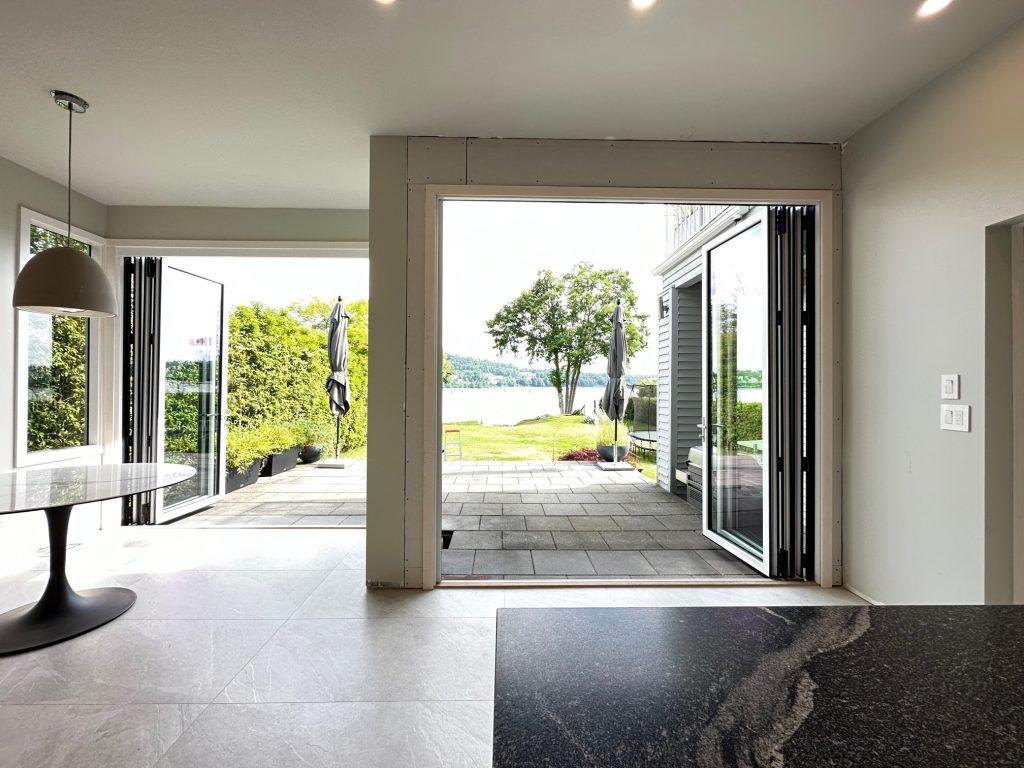
Sliding doors can transform how a home connects indoor and outdoor spaces, but the quality of the final result depends heavily on the company behind the product and installation. A well-designed sliding door system requires more than choosing attractive glass panels — it also depends on proper sizing, reliable hardware, energy-efficient glazing, and professional installation. In this guide, we highlight sliding door companies across Canada that offer different types of solutions, from residential sliding glass doors to custom door systems. We also explain what homeowners should compare when choosing a company, including product options, installation experience, warranty support, and long-term performance. Whether you are replacing an existing sliding door, upgrading a patio opening, or planning a larger renovation, understanding the differences between companies can help you make a more informed decision. What Makes a Good Sliding Door Company? Not every company that sells doors offers the same level of expertise when it comes to sliding door systems. Because sliding doors often include large glass panels, specialized hardware, and precise installation requirements, the company you choose can have a major impact on how well the doors perform over time. Before comparing companies, homeowners should look beyond the product name and consider several important factors: Experience With Sliding Door Systems Sliding doors require careful planning and installation to operate properly. A company with experience in sliding door projects should understand how to handle factors such as door sizing, track alignment, weather sealing, and hardware adjustment. This becomes especially important for larger openings, custom configurations, or homes where the existing structure needs modifications. Range of Sliding Door Options A good sliding door company should offer options that match different home styles and performance needs. If you’re still deciding which configuration is right for your home, explore the most common types of sliding doors before comparing manufacturers and installers. Depending on the project, you might want to compare: A wider selection allows homeowners to choose a system based on how they use their space rather than simply selecting the most common option. Installation Quality and Process Even a high-quality sliding door can perform poorly if it is not installed correctly. Proper installation affects everything from smooth operation to insulation and moisture protection. When comparing companies, consider whether they provide: Warranty and Long-Term Support A sliding door is a long-term investment, so warranty coverage and after-installation support are important parts of the decision. Homeowners should understand what is included, such as: A company that stands behind its products and installation provides more confidence after the project is complete. How We Selected These Sliding Door Companies The companies featured in this guide include sliding door manufacturers, installers, and door specialists serving homeowners across Canada. We considered factors that are important when choosing a sliding door provider, including: Top Sliding Door Companies in Canada The companies below represent established sliding door providers across Canada. Availability, service areas, and product offerings vary by location, so homeowners should confirm whether a company serves their specific area before requesting a quote. 1. Novin Doors Ltd. Location: Burnaby, British ColumbiaWebsite: novindoors.ca Novin Doors specializes in custom exterior and interior door solutions for homeowners in the Vancouver area. The company focuses on modern and architectural door designs, including sliding door systems that combine functionality with contemporary style. Novin Doors is particularly relevant for projects where homeowners need custom sizing, architectural designs, and a more tailored door solution. 2. Magic Windows and Doors Location: Woodbridge, OntarioWebsite: magicwindow.ca Magic Windows and Doors is a Canadian window and door company offering replacement solutions for residential properties. Their product range includes sliding door systems designed for homeowners looking to improve accessibility, natural light, and energy performance. Their experience with window and door replacement projects makes them an option for homeowners looking for a full-service provider. 3. Nordik Windows and Doors Location: Scarborough, OntarioWebsite: nordik.com Nordik Windows and Doors provides window and door replacement services throughout Ontario. The company offers various patio and sliding door options designed for residential upgrades. Their replacement-focused approach makes them relevant for homeowners looking for consultation, product selection, and installation support through one provider. 4. Window Mart Location: Edmonton, AlbertaWebsite: windowmart.ca Window Mart provides window and door solutions for homeowners in Edmonton and surrounding areas. The company offers sliding door options as part of its broader replacement product range, helping homeowners improve access, natural light, and energy performance in their homes. With experience in residential window and door projects, Window Mart can be considered by homeowners looking for a local provider that combines product selection with installation services. 5. Folding Sliding Doors Location: Kelowna, British ColumbiaWebsite: foldingslidingdoors.ca Folding Sliding Doors specializes in large opening door systems designed to create stronger connections between indoor and outdoor spaces. Their solutions focus on folding and sliding configurations that are often used in modern homes, patios, and architectural renovation projects. For homeowners interested in wider openings, contemporary designs, and maximizing natural light, this type of specialized door provider offers an alternative to traditional sliding patio doors. 6. Komandor Vancouver Location: Surrey, British ColumbiaWebsite: komandorvancouver.ca/doors Komandor Vancouver provides custom door and interior space solutions, including sliding door systems designed for residential applications. Their products are commonly associated with space-saving designs, making them relevant for homeowners looking to improve functionality in smaller rooms or modern interiors. Komandor Vancouver specializes in interior sliding door systems and space-saving solutions designed for residential interiors. 7. Bardy Location: Longueuil, QuebecWebsite: bardy.ca Bardy is a Quebec-based door and window company serving homeowners in the Greater Montreal area and beyond. The company offers residential door solutions, including sliding systems designed to combine practical performance with modern home design. With local operations in Quebec, Bardy is a relevant option for homeowners looking for a regional provider familiar with local climate conditions and residential renovation needs. 8. Loewen Location: Steinbach, ManitobaWebsite: loewen.com Loewen specializes in premium window and door systems, including sliding patio doors designed for custom homes and high-end residential projects. The company is known for architectural door solutions that emphasize craftsmanship, materials, and
Exploring the Different Types of Sliding Doors for Modern Homes
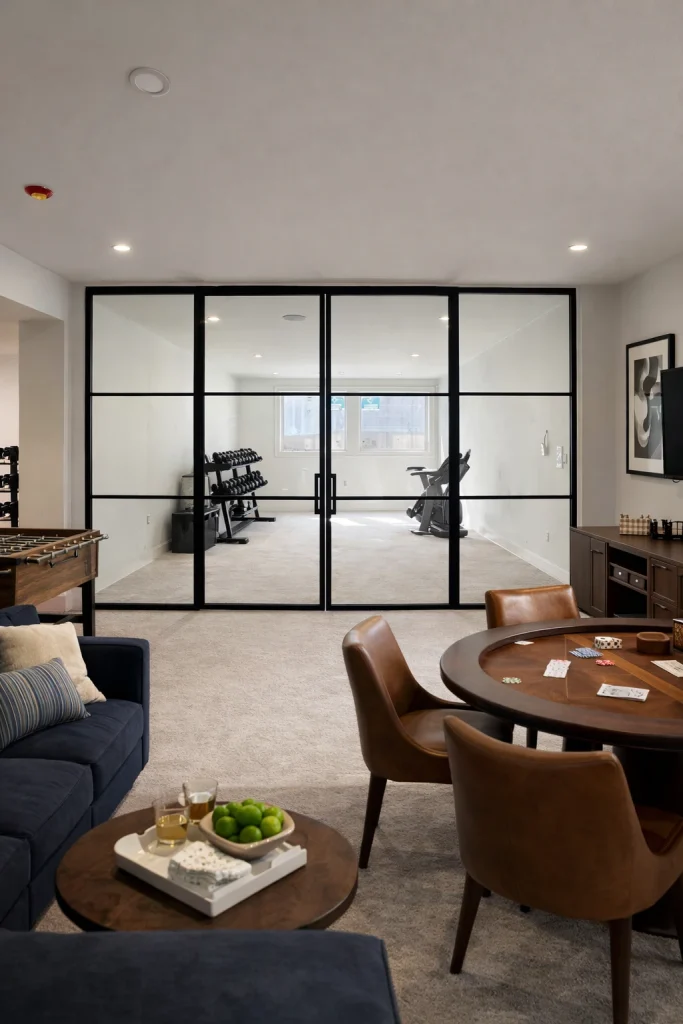
Understanding the different types of sliding doors is essential when planning a renovation or new build in Vancouver. Each system offers a different balance of space efficiency, performance, and design flexibility, depending on how your home is used. From compact condos in Burnaby to open layouts in North Vancouver, the right sliding system can completely change how a space feels and functions. This guide breaks down the main types of sliding doors and helps you understand which option actually fits your home—not just in style, but in everyday use. Types of Sliding Doors Modern homes in Vancouver increasingly rely on different types of sliding doors to create open layouts, improve light flow, and maximize usable space without compromising design. Sliding doors come in several designs, each created to solve a different challenge. Some maximize natural light, others save valuable floor space, while premium systems are designed to create wide, uninterrupted openings between indoor and outdoor living areas. Understanding how each type works is the easiest way to narrow down your options before considering materials, finishes, or custom features. Standard Sliding Doors Standard sliding doors are the most common style found in homes today. They typically feature one fixed panel and one movable panel that glides smoothly along a track, making them an excellent choice where a traditional swinging door would take up unnecessary space. Because they combine functionality with a clean, modern appearance, they’re widely used for patios, balconies, and interior transitions in both houses and condos throughout Vancouver. Multi-Slide Doors Multi-slide doors use three or more panels that stack or slide together to create much larger openings than a standard sliding system. They’re a popular choice for contemporary homes where homeowners want to blur the line between indoor and outdoor living. With their expansive glass panels and minimal framing, multi-slide systems maximize natural light while creating a dramatic architectural feature. Lift-and-Slide Doors Lift-and-slide doors are engineered for larger, heavier glass panels. When the handle is turned, the door lifts slightly off its seals, allowing it to glide with minimal effort before lowering back into place to create a secure, weather-resistant seal. They’re often selected for custom homes where smooth operation, premium performance, and exceptional insulation are priorities. Pocket Sliding Doors Pocket doors disappear completely inside the wall when opened, making them one of the most space-efficient solutions available. They’re particularly useful for bedrooms, bathrooms, home offices, and smaller living spaces where every square foot matters. Because the door is concealed within the wall cavity, pocket doors also create a clean, minimalist appearance that complements many modern interiors. Barn Sliding Doors Barn doors slide along an exposed track mounted above the opening, turning the hardware into part of the overall design. While originally inspired by rustic architecture, today’s barn doors are available in everything from classic wood finishes to sleek contemporary styles. They’re best suited for interior spaces where visual impact and space-saving are more important than acoustic or weather sealing. Why Sliding Glass Doors Are So Popular Sliding glass doors have become one of the most common choices in modern home design—not just because they look good, but because they change how a space feels and functions. By using large glass panels, they allow natural light to move freely through the home, making smaller spaces feel more open and connected. This is especially valuable in Vancouver, where many homes and condos are designed to maximize light and efficient use of space. Depending on the layout, sliding glass doors can be used as standard patio systems, interior room dividers, or premium architectural features in open-concept spaces. Glass sliding doors are especially popular in modern Vancouver homes because they maximize natural light while maintaining a clean, minimal frame design. For interior layouts, many homeowners choose sliding glass door room dividers to maintain brightness while creating flexible separation between rooms. What Sliding Door Materials Should You Choose? Choosing the right material is one of the most important decisions when selecting sliding doors. In the Lower Mainland, it’s not just about appearance—humidity, rain exposure, and temperature changes all affect long-term performance. Vinyl Sliding Doors Vinyl is the most commonly used option in residential projects across Vancouver because it is cost-effective, low-maintenance, and performs well in wet climates. It doesn’t rust or rot, making it a practical choice for everyday homes. It’s a strong option for homeowners who want reliability without ongoing upkeep, especially in areas with frequent rain and moisture exposure. Fiberglass Sliding Doors Fiberglass sits at the premium end of the spectrum. It is extremely stable in changing weather conditions and resists warping, which makes it ideal for long-term performance in coastal environments. Many homeowners choose fiberglass when energy efficiency and durability are top priorities, especially for larger openings or higher-end renovations. Aluminum Sliding Doors Aluminum is preferred in modern architectural designs where slim frames and large glass panels are important. It allows for clean sightlines and a minimal aesthetic that fits contemporary homes and condos. However, in BC climates, it should always include a thermal break to reduce heat loss and condensation during colder months. Glass Performance & Energy Efficiency Glass plays a major role in both comfort and efficiency. In Vancouver, dual-pane glass is the baseline standard, while triple-pane glass is often used in homes near busy streets or exposed coastal areas. Low-E coatings are commonly added to improve insulation and reduce UV exposure without blocking natural light. For a deeper breakdown of performance ratings and energy savings, see our guide on energy-efficient sliding glass doors. What to Consider Before Choosing Sliding Doors in Vancouver Climate & Moisture Resistance Vancouver’s wet climate plays a major role in how sliding doors perform over time. Constant rain and humidity can affect seals, tracks, and frame materials if the wrong system is chosen. This is why materials like fiberglass and properly treated aluminum are often preferred in coastal areas. Space & Layout Constraints Not every home has the same layout flexibility. In condos and older homes, wall structure and floor space often
How to Choose the Best Energy Efficient Sliding Glass Doors
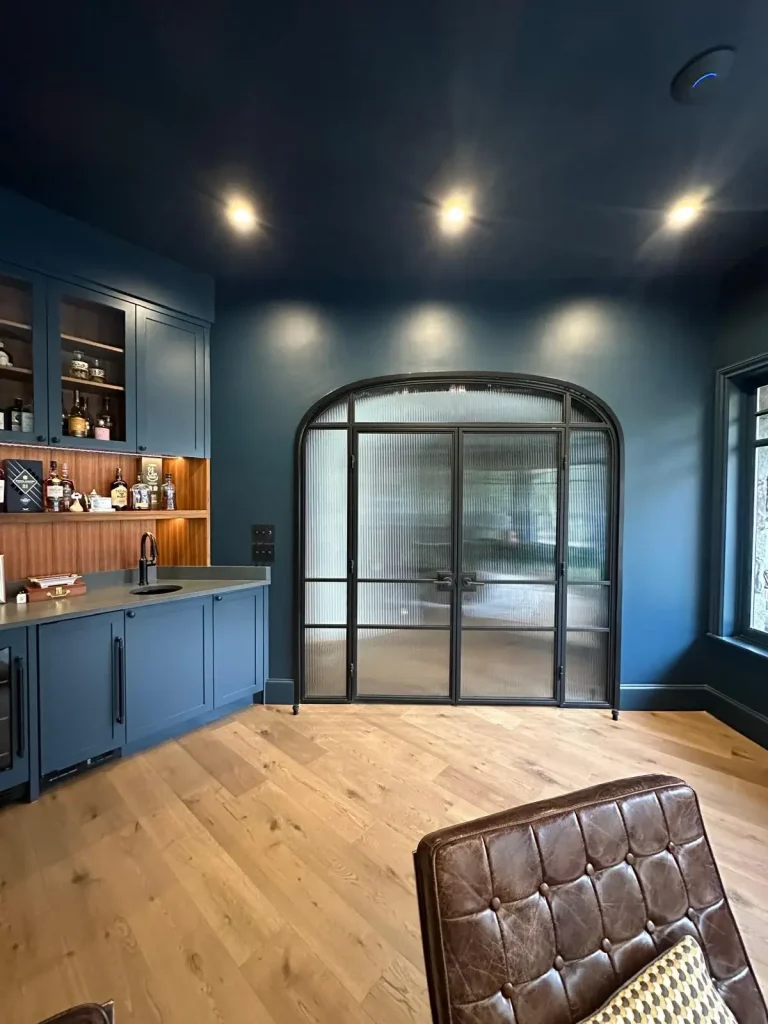
Two sliding glass doors can look almost identical in a showroom, yet perform very differently once they’re installed. The difference usually comes down to what’s inside the glass, how the frame is built, and how well the entire system is sealed. If you’re comparing energy efficient sliding glass doors, it’s easy to focus on features like triple-pane glass or the frame material. But those aren’t the only things that determine how well a door performs. In this guide, we’ll break down what actually matters, what doesn’t, and how to choose a door that’s well suited to Vancouver’s climate. Whether you’re replacing an aging sliding glass door or planning a new installation, understanding these features will help you compare your options and choose a door that delivers lasting comfort, energy efficiency, and value. What Actually Makes a Sliding Glass Door Energy Efficient? A door that keeps your home warm in winter and comfortable year-round isn’t defined by one feature alone. The glass, frame, weather sealing, and installation all work together. That’s why comparing doors based on a single selling point—like triple-pane glass or a vinyl frame—doesn’t tell you much about how they’ll actually perform. It Starts with the Glass Since most of the door is glass, that’s where most heat enters and escapes. For most homes in Vancouver and the Lower Mainland, a double-pane glass unit with Low-E coating and argon gas provides an excellent balance of efficiency, comfort, and cost. It reduces heat transfer while still letting in plenty of natural light. Triple-pane glass offers even better insulation, but in our mild coastal climate, the extra cost isn’t always justified. It’s generally a better fit for oversized patio doors, high-performance homes, or projects built to stricter energy standards. Don’t Ignore the Frame The glass gets most of the attention, but the frame has just as much influence on overall performance. Vinyl is the most common choice because it’s energy efficient, affordable, and requires very little maintenance. Fiberglass is stronger and more dimensionally stable, making it an excellent option for homeowners who want maximum durability. Thermally broken aluminum offers slimmer sightlines and a more contemporary appearance while performing much better than traditional aluminum frames. Each material has its advantages, so the right choice depends on your home’s style, budget, and performance goals. A Good Seal Makes a Big Difference Even the best glass package won’t help much if outside air can leak around the door. Quality weatherstripping, tight seals, and proper installation help reduce drafts, improve comfort, and keep rain where it belongs—outside. That’s especially important in Vancouver, where frequent rainfall puts every exterior door to the test. Check the Ratings, Not Just the Marketing Manufacturers often highlight individual features, but performance ratings tell you much more. When comparing sliding glass doors, look for ENERGY STAR® certification and NFRC performance labels. They provide independently tested information on insulation, air leakage, and solar heat gain, making it much easier to compare products objectively. How Much Difference Does It Really Make? For many homeowners, the biggest difference isn’t something they see—it’s something they feel. If your current sliding glass door is older, replacing it with one of today’s energy efficient sliding glass doors can make your home noticeably more comfortable throughout the year. Drafts become less noticeable, indoor temperatures stay more consistent, and condensation is often reduced during colder months. These improvements tend to be most noticeable in Vancouver’s fall and winter, when older doors have a harder time keeping heat in and moisture out. The Benefits Go Beyond Energy Savings Saving money on heating costs is one advantage, but it’s rarely the first thing homeowners notice after replacing an older sliding glass door. More often, they notice things like: A more comfortable room with fewer cold spots near the glass. Less outside noise thanks to better insulated glass. Fewer drafts around the frame. Reduced condensation during colder weather. While every home is different, these everyday improvements are often what make homeowners feel the investment was worthwhile. Think Beyond the Purchase Price A sliding glass door is something you’ll use almost every day, often for decades. That’s why it’s worth looking beyond the initial quote. A lower-priced door may save money upfront, but if it has lower-quality hardware, weaker weather sealing, or isn’t installed properly, those savings can disappear through higher energy bills, ongoing maintenance, or an earlier replacement. When comparing your options, look at the complete door system—not just the price. The quality of the glass, frame, hardware, weather sealing, warranty, and installation all contribute to how well the door performs over time. The next step is deciding whether your current sliding glass door still has life left in it—or whether replacing it is the better long-term choice. Is It Time to Replace Your Sliding Glass Door? Not every sliding glass door needs to be replaced. If the problem is limited to worn weatherstripping, dirty tracks, or aging rollers, a repair may be all that’s needed. But when several issues start showing up at once—drafts, condensation, water leaks, or difficulty opening the door—it often makes more sense to replace the entire system rather than continue paying for repairs that only solve part of the problem. If you’re not sure where your door stands, use the checklist below. If You Notice… It Could Mean… Cold drafts even when the door is fully closed Worn weatherstripping, air leaks, or poor insulation are allowing heat to escape. Condensation or fog trapped between the glass panes The insulated glass seal has failed, reducing the door’s energy efficiency. The door sticks, drags, or is difficult to slide The rollers, track, or frame may be worn or out of alignment. Water leaks during heavy rain Failed seals, drainage issues, or an older installation may be allowing moisture inside. You still have an older single-pane sliding door Older doors lose significantly more heat than modern insulated glass systems. The room always feels colder near the door The door may no longer be insulating your home effectively. Repair or