

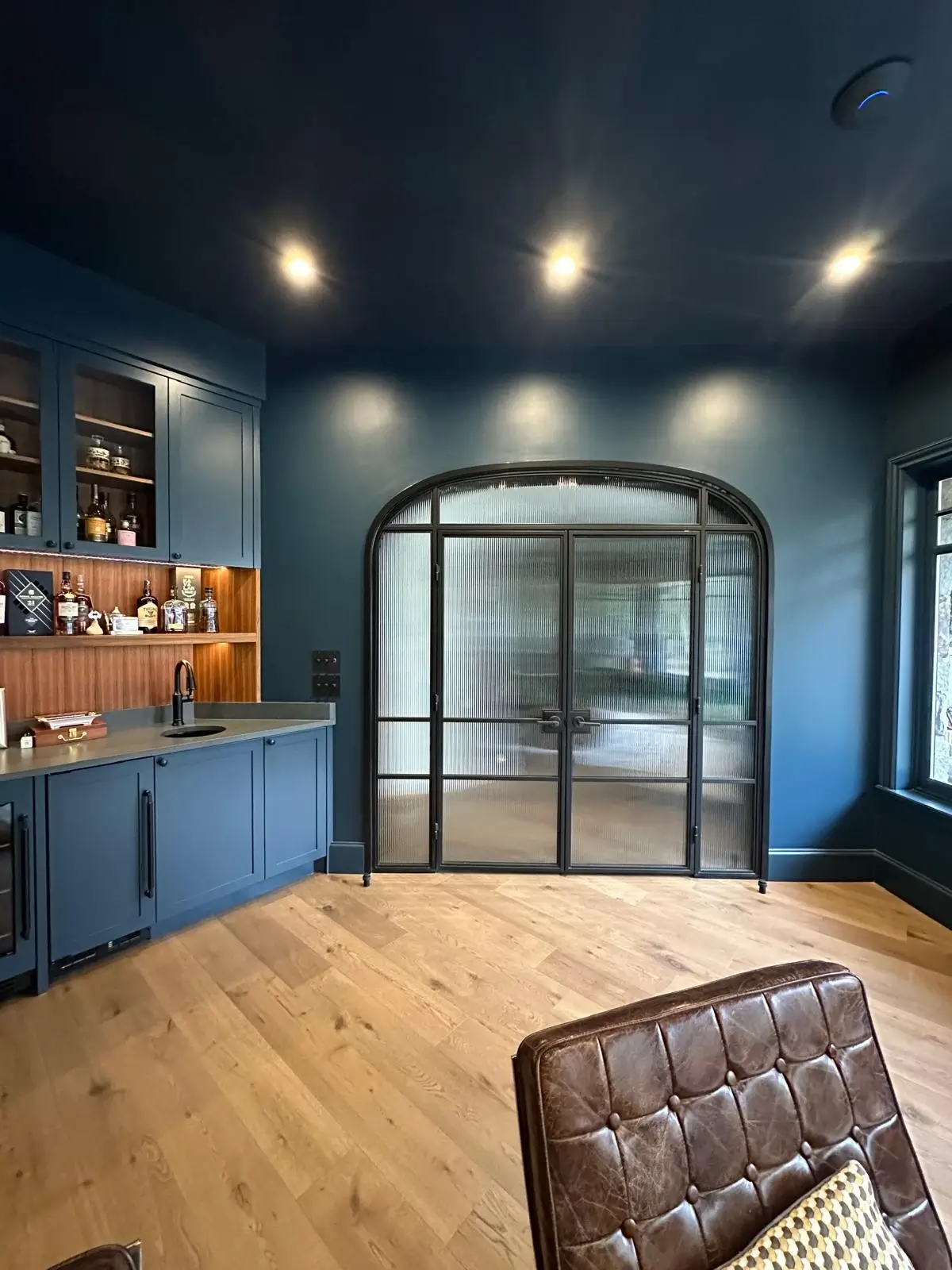
Two sliding glass doors can look almost identical in a showroom, yet perform very differently once they’re installed. The difference usually comes down to what’s inside the glass, how the frame is built, and how well the entire system is sealed.
If you’re comparing energy efficient sliding glass doors, it’s easy to focus on features like triple-pane glass or the frame material. But those aren’t the only things that determine how well a door performs. In this guide, we’ll break down what actually matters, what doesn’t, and how to choose a door that’s well suited to Vancouver’s climate.
Whether you’re replacing an aging sliding glass door or planning a new installation, understanding these features will help you compare your options and choose a door that delivers lasting comfort, energy efficiency, and value.
What Actually Makes a Sliding Glass Door Energy Efficient?
A door that keeps your home warm in winter and comfortable year-round isn’t defined by one feature alone. The glass, frame, weather sealing, and installation all work together. That’s why comparing doors based on a single selling point—like triple-pane glass or a vinyl frame—doesn’t tell you much about how they’ll actually perform.
It Starts with the Glass
Since most of the door is glass, that’s where most heat enters and escapes.
For most homes in Vancouver and the Lower Mainland, a double-pane glass unit with Low-E coating and argon gas provides an excellent balance of efficiency, comfort, and cost. It reduces heat transfer while still letting in plenty of natural light.
Triple-pane glass offers even better insulation, but in our mild coastal climate, the extra cost isn’t always justified. It’s generally a better fit for oversized patio doors, high-performance homes, or projects built to stricter energy standards.
Don’t Ignore the Frame
The glass gets most of the attention, but the frame has just as much influence on overall performance.
- Vinyl is the most common choice because it’s energy efficient, affordable, and requires very little maintenance.
- Fiberglass is stronger and more dimensionally stable, making it an excellent option for homeowners who want maximum durability.
- Thermally broken aluminum offers slimmer sightlines and a more contemporary appearance while performing much better than traditional aluminum frames.
Each material has its advantages, so the right choice depends on your home’s style, budget, and performance goals.
A Good Seal Makes a Big Difference
Even the best glass package won’t help much if outside air can leak around the door.
Quality weatherstripping, tight seals, and proper installation help reduce drafts, improve comfort, and keep rain where it belongs—outside. That’s especially important in Vancouver, where frequent rainfall puts every exterior door to the test.
Check the Ratings, Not Just the Marketing
Manufacturers often highlight individual features, but performance ratings tell you much more.
When comparing sliding glass doors, look for ENERGY STAR® certification and NFRC performance labels. They provide independently tested information on insulation, air leakage, and solar heat gain, making it much easier to compare products objectively.
How Much Difference Does It Really Make?
For many homeowners, the biggest difference isn’t something they see—it’s something they feel.
If your current sliding glass door is older, replacing it with one of today’s energy efficient sliding glass doors can make your home noticeably more comfortable throughout the year. Drafts become less noticeable, indoor temperatures stay more consistent, and condensation is often reduced during colder months.
These improvements tend to be most noticeable in Vancouver’s fall and winter, when older doors have a harder time keeping heat in and moisture out.
The Benefits Go Beyond Energy Savings
Saving money on heating costs is one advantage, but it’s rarely the first thing homeowners notice after replacing an older sliding glass door.
More often, they notice things like:
- A more comfortable room with fewer cold spots near the glass.
- Less outside noise thanks to better insulated glass.
- Fewer drafts around the frame.
- Reduced condensation during colder weather.
While every home is different, these everyday improvements are often what make homeowners feel the investment was worthwhile.
Think Beyond the Purchase Price
A sliding glass door is something you’ll use almost every day, often for decades. That’s why it’s worth looking beyond the initial quote.
A lower-priced door may save money upfront, but if it has lower-quality hardware, weaker weather sealing, or isn’t installed properly, those savings can disappear through higher energy bills, ongoing maintenance, or an earlier replacement.
When comparing your options, look at the complete door system—not just the price. The quality of the glass, frame, hardware, weather sealing, warranty, and installation all contribute to how well the door performs over time.
The next step is deciding whether your current sliding glass door still has life left in it—or whether replacing it is the better long-term choice.
Is It Time to Replace Your Sliding Glass Door?
Not every sliding glass door needs to be replaced. If the problem is limited to worn weatherstripping, dirty tracks, or aging rollers, a repair may be all that’s needed.
But when several issues start showing up at once—drafts, condensation, water leaks, or difficulty opening the door—it often makes more sense to replace the entire system rather than continue paying for repairs that only solve part of the problem.
If you’re not sure where your door stands, use the checklist below.
| If You Notice… | It Could Mean… |
|---|---|
| Cold drafts even when the door is fully closed | Worn weatherstripping, air leaks, or poor insulation are allowing heat to escape. |
| Condensation or fog trapped between the glass panes | The insulated glass seal has failed, reducing the door’s energy efficiency. |
| The door sticks, drags, or is difficult to slide | The rollers, track, or frame may be worn or out of alignment. |
| Water leaks during heavy rain | Failed seals, drainage issues, or an older installation may be allowing moisture inside. |
| You still have an older single-pane sliding door | Older doors lose significantly more heat than modern insulated glass systems. |
| The room always feels colder near the door | The door may no longer be insulating your home effectively. |
Repair or Replace?
Every door is different, but these general guidelines usually point you in the right direction.
- One issue: A repair is often enough, especially if the door is relatively new and otherwise in good condition.
- Two or three issues: It’s worth having the door professionally assessed before deciding whether a repair or replacement offers better value.
- Several of these issues: Replacing the entire sliding glass door is usually the smarter long-term choice. A new door can improve comfort, reduce drafts, and eliminate many of the recurring problems older systems develop.
Once replacement becomes the better option, the next decision is who should install it. Not every company offers the same products, installation standards, or warranty, so it’s worth comparing a few sliding door companies before requesting quotes.
If your door has foggy glass, cracked panels, or a failed insulated glass unit, you may not need to replace the entire system. Our guide to glass door replacement cost explains when replacing only the glass is possible and when a full door replacement offers better long-term value.
Why Professional Installation Is Just as Important as the Door
You can spend thousands on a high-performance energy efficient sliding glass doors, but if it’s installed poorly, it may still leak air, let water in, or become difficult to operate within a few years.
In Vancouver and the Lower Mainland, where heavy rainfall is common, proper waterproofing and weather sealing are just as important as choosing the right glass or frame material. That’s one reason many homeowners spend as much time comparing installers as they do comparing doors. A quality installation has just as much impact on long-term performance, so it’s worth knowing what separates experienced patio door replacement companies from everyone else.
What Does a Proper Installation Include?
Professional installation is about much more than fitting a new door into the opening. A properly installed sliding glass door should include:
- Accurate measurements to ensure the door fits correctly.
- Proper leveling and alignment for smooth, reliable operation.
- Waterproof flashing to help protect the opening from rain and moisture.
- High-quality weather sealing to reduce drafts and improve energy efficiency.
- Insulation around the frame to minimize heat loss.
- Final adjustments to ensure the door slides, locks, and seals properly.
Each step helps the door perform the way it was designed to.
Can You Install a Sliding Glass Door Yourself?
If you have experience with exterior door installation, replacing a sliding glass door yourself may be possible in some situations. However, it’s generally not recommended for most homeowners.
Unlike many interior projects, a sliding glass door must be precisely measured, leveled, insulated, and sealed. Even a small installation mistake can lead to drafts, water intrusion, condensation, or operational problems that reduce the door’s performance over time.
Professional installation is especially worthwhile when you’re:
- Replacing an older patio door.
- Installing a larger or heavier door system.
- Repairing damaged frames or surrounding materials.
- Modifying the existing opening.
A properly installed energy-efficient door doesn’t just look better—it performs better for years to come.
How to Choose the Right Energy Efficient Sliding Glass Door
After deciding it’s time for a replacement, the next step is choosing a door that fits your home—not just your budget. While many products advertise impressive energy ratings, the best option is usually the one that balances efficiency, durability, appearance, and long-term performance.
Here are the features that deserve the closest attention before making a decision.
Prioritize Overall Energy Performance
Rather than focusing on a single feature, look at how the entire door system performs. For most homes in Vancouver and the Lower Mainland, a well-built double-pane sliding glass door with Low-E coatings, argon gas, and ENERGY STAR® certification provides an excellent balance of efficiency and value.
Once you’ve narrowed your options, compare the energy ratings. U-Factor measures how well the door resists heat loss, while SHGC shows how much solar heat passes through the glass. These ratings make it easier to compare products using measured performance instead of marketing claims.
Choose a Frame That Fits Your Home
The frame affects everything from insulation and maintenance to durability and appearance.
- Vinyl is a popular choice because it’s energy efficient, affordable, and requires very little maintenance.
- Fiberglass offers excellent strength and thermal performance, making it a great option for homeowners looking for long-term durability.
- Thermally broken aluminum provides a slimmer, contemporary appearance while helping reduce heat transfer compared to traditional aluminum frames.
The best material depends on your home’s style, your maintenance preferences, and your budget.
Small Details That Make a Big Difference
Small features often make the biggest difference over time. As you compare different sliding glass doors, consider:
- The quality of the weatherstripping and seals.
- Multi-point locking systems for improved security and a tighter seal.
- Durable rollers that provide smooth operation for years.
- A warranty that covers both the product and the insulated glass unit.
- Professional installation to ensure the door performs as designed.
These details may not be the first things you notice in a showroom, but they’re often what determine how well your new door performs years after it’s installed.
Think Beyond Today’s Price
It’s natural to compare quotes, but the cheapest option isn’t always the best value. If you’re trying to budget for a new installation, our guide to patio door replacement cost explains what homeowners typically pay and the factors that influence the final price.
A higher-quality sliding glass door with better insulation, durable materials, and professional installation can reduce maintenance, improve comfort, and continue performing efficiently for many years. Looking at the total value—not just the upfront cost—often leads to a better long-term investment.
Choose a Door That Fits Your Home
Every home has different priorities. Some homeowners focus on maximizing energy efficiency, while others care more about durability, maintenance, or appearance. The best choice is the one that balances all of these factors. Understanding the different types of sliding doors can make the decision much easier.
For Vancouver’s Climate
For most homes in Vancouver and the Lower Mainland, a well-built double-pane sliding glass door with Low-E glass, argon gas, and an insulated vinyl or fiberglass frame offers an excellent combination of comfort, durability, and long-term value. If you prefer aluminum, choose a thermally broken frame to help reduce heat transfer.
Compare the Complete Door System
Don’t compare doors based on price alone. Look at the complete package—including the glass, frame, weather sealing, warranty, and installation. Those factors have a much bigger impact on long-term performance than a single advertised feature.
Choosing the Right Door with Confidence
By now, you’ve seen that an energy efficient sliding glass door is about more than glass or energy ratings. A good sliding glass door should keep your home comfortable through Vancouver’s wet winters, operate smoothly every day, and continue doing both for many years.
That’s why it’s worth comparing the complete door system.