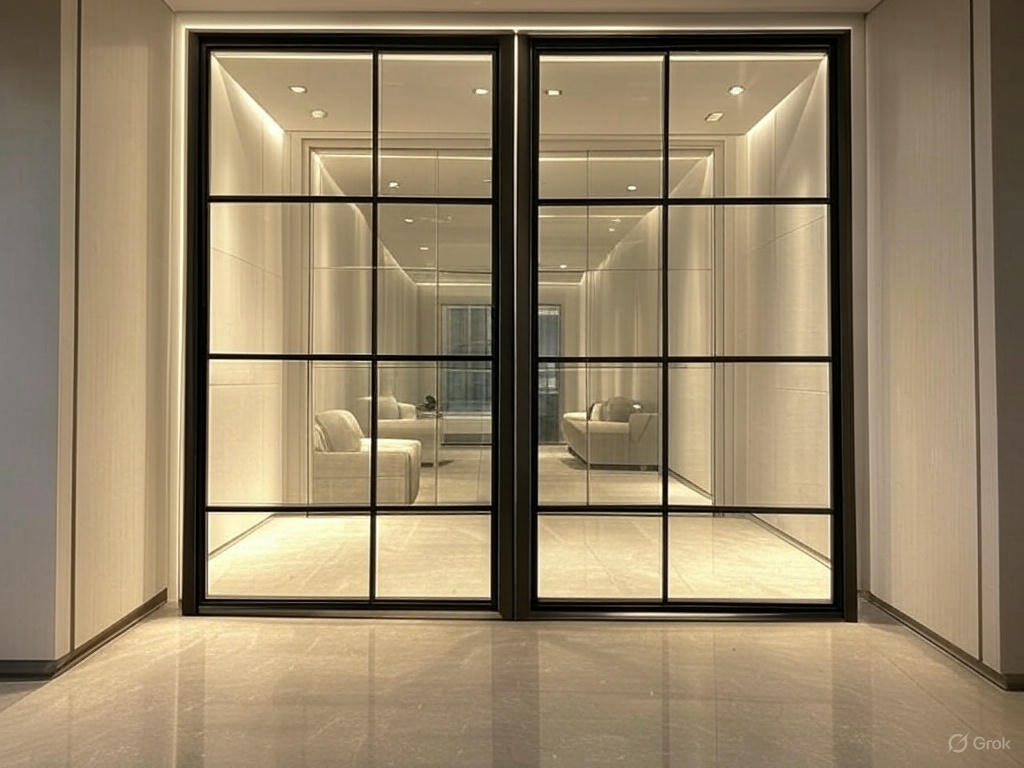
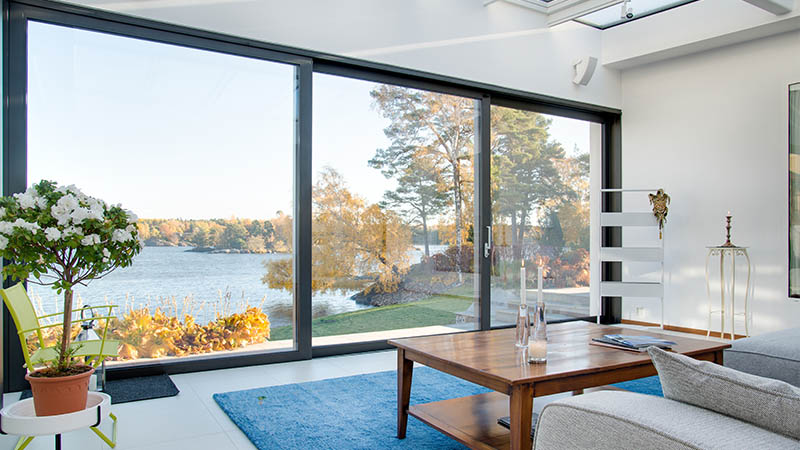
Choosing the best patio doors isn’t just a design decision—it directly affects your home’s comfort, energy efficiency, and how seamlessly your indoor and outdoor spaces connect. The wrong choice can lead to heat loss, security concerns, and higher long-term costs.
Today’s homeowners have clearer benchmarks, including ENERGY STAR® performance standards for patio and sliding glass doors in Canada, which makes it easier to identify truly efficient options. Whether you’re renovating or building new, understanding these factors early helps you avoid costly mistakes.
This guide walks you through patio door types, materials, and performance features so you can choose a solution that fits your space, climate, and long-term goals. If you’re also evaluating installers, you can compare trusted patio door replacement companies to see how leading providers stack up.
Why Choosing the Best Patio Doors Matters
Choosing the best patio doors goes beyond appearance. The right doors influence how your home feels, performs, and functions year-round.
Well-designed patio doors enhance natural light and create a smoother connection between indoor and outdoor spaces. They also affect comfort, insulation, and long-term energy costs — especially in Canada’s changing climate.
Key reasons this decision matters:
-
Aesthetic impact: Patio doors shape sightlines, light flow, and the overall character of your living space.
-
Indoor-outdoor living: The right design makes patios, decks, and backyards feel like a natural extension of your home.
-
Energy efficiency: High-quality doors help reduce heat loss in winter and heat gain in summer, improving comfort and lowering energy bills.
For homeowners dealing with aging frames or structural wear, related issues such as wooden door frame repairs can also affect long-term performance and should be evaluated before replacement.
Different Types of Patio Doors
Not all patio doors function the same way. Understanding the main door types helps you choose an option that fits your space, layout, and lifestyle — not just current design trends.
The most common patio door types include:
-
Sliding patio doors: A practical, space-saving option with clean lines and large glass panels.
-
French patio doors:: A classic style that opens wide and adds architectural character.
-
Bifold patio doors: Panels fold to one side, creating a wide opening for modern indoor-outdoor living.
-
Multi-slide patio doors: Designed for large openings, offering expansive views and flexible configurations.
Each style offers unique advantages, but knowing which are truly the best patio doors for your home helps you avoid costly mistakes.
Patio Door Types Compared: Which Option Fits Your Home Best?
Before diving into the pros and cons of each patio door style, it helps to see how the most common options compare at a glance. This comparison focuses on layout, space requirements, and how each door type functions in real homes—so you can quickly narrow down the right option for your needs.
| Patio Door Type | Ideal Use Case | Space Requirement | Opening Style | Overall Look |
|---|---|---|---|---|
| Sliding Patio Doors | Small to medium rooms | Minimal | Slides on track (partial opening) | Modern |
| French Patio Doors | Traditional layouts | Requires swing clearance | Hinged, full opening | Classic |
| Bifold Patio Doors | Indoor–outdoor living | Moderate | Panels fold to one side | Contemporary |
| Multi-Slide Patio Doors | Large openings & views | Moderate | Multiple sliding panels | Modern / Luxury |
Sliding Patio Doors: Pros and Cons
Sliding doors are popular for their sleek look and space-saving design. From classic two-panel systems to lift-and-slide models, they offer flexibility for modern homes.
Why they work:
-
Space-saving: No swing clearance needed.
-
Smooth operation: Easy gliding along tracks.
-
Clear views: Large glass panels maximize natural light.
Watch for:
-
Limited opening width (usually only half opens).
-
Track maintenance: Keep debris clear to avoid sticking
From classic two-panel systems to multi-slide and lift-and-slide configurations, understanding the different options helps narrow down the best patio doors for your layout and lifestyle. This overview of sliding door types for modern homes breaks down the most common designs and where each one performs best.
French Patio Doors: Classic and Elegant
French doors bring timeless elegance to any space, perfect for traditional or transitional homes.
-
Full-width opening creates a generous entryway.
-
Available in multiple materials, finishes, and glass styles.
-
Requires swing clearance; small rooms may be tight.
-
Proper sealing is essential for energy efficiency.
For homeowners considering this option, understanding the French door replacement cost in Canada helps set realistic expectations around materials, installation, and long-term value.
Bifold & Multi-Slide Doors: Modern Options
-
Bifold: Panels fold neatly to one side, ideal for indoor-outdoor flow.
-
Multi-slide: Multiple sliding panels for wide openings and panoramic views.
Tips: Both require professional installation and regular maintenance to ensure smooth operation and energy efficiency.
Patio Door Materials: Which One Is Right for You?
The material you choose plays a major role in how your patio doors perform over time. It affects insulation, durability, maintenance requirements, and how well the doors handle Canada’s changing climate.
Rather than focusing on long pros-and-cons lists, it’s more helpful to compare patio door materials based on real-world performance factors such as energy efficiency, upkeep, and design flexibility. The table below highlights how the most common patio door materials compare at a glance.
Patio Door Material Comparison
| Material | Energy Efficiency | Maintenance Level | Durability | Design Flexibility | Best For |
|---|---|---|---|---|---|
| Vinyl | Good | Very Low | Moderate | Limited colors | Budget-conscious homes and standard openings |
| Wood | Excellent | High | Moderate | Very High | Traditional homes and custom aesthetics |
| Fiberglass | Excellent | Low | Very High | Moderate | Cold climates and long-term performance |
| Aluminum | Fair–Good* | Low | High | High (slim frames) | Modern designs and large glass panels |
Energy efficiency improves significantly when aluminum doors include thermal breaks and high-performance glazing.
Tips for selecting materials:
-
Cold climates: Fiberglass or quality vinyl performs best.
-
Low maintenance: Vinyl and fiberglass require minimal upkeep.
-
Modern look: Aluminum offers slim frames and large glass areas.
-
Classic warmth: Wood adds character and beauty.
Maintaining and Installing Patio Doors
Even top-quality doors can lose performance without proper care.
Maintenance Tips:
-
Clean tracks and frames to prevent dirt buildup.
-
Lubricate hinges, rollers, and locks.
-
Inspect seals and weatherstripping for drafts or leaks.
Installation Tips:
-
Professional installation ensures correct fit, sealing, and alignment—especially for sliding, bifold, and multi-slide systems.
-
DIY may work for simple replacements but risks drafts or misalignment.
-
Avoid common mistakes: incorrect measurements, poor sealing, ignoring manufacturer guidelines.
Current Trends in Patio Door Design
Modern patio doors are designed to do more than just open and close. Today’s trends focus on maximizing light, improving efficiency, and integrating smart features.
Design and Glass Trends
-
Large glass panels to increase natural light and outdoor visibility
-
Slim or minimalist frames for a cleaner, contemporary look
-
Decorative or tinted glass for added privacy and style
For doors that prioritize thermal performance, reviewing the energy-efficient sliding glass doors can help narrow your choices.
Smart and Eco-Friendly Features
-
Smart patio doors with automated operation, sensors, and smart locks
-
Energy-efficient glazing to reduce heating and cooling demands
-
Sustainable materials and low-VOC finishes that support healthier indoor environments
These features are increasingly popular among homeowners seeking comfort, efficiency, and future-ready design.
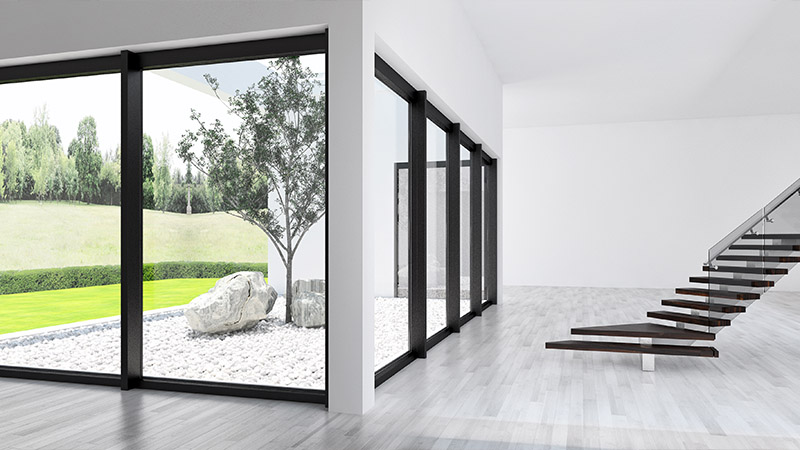
How to Choose the Best Patio Doors for Your Home
Focus on performance, design, and long-term value:
Assess Needs: Functionality, aesthetics, and Canadian climate considerations.
Budget: Factor in upfront cost, energy savings, and maintenance.
Home Style: Match doors to traditional, modern, or rustic architecture.
Conclusion
Choosing the best patio doors goes beyond style. Energy efficiency, material choice, installation quality, and maintenance all affect comfort, performance, and long-term value.
By considering performance, style, and long-term value, you can confidently pick the best patio doors that elevate your home and lifestyle.