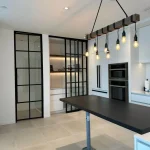

As one of the most popular exterior door options, French doors are often chosen for patios, gardens, and outdoor living spaces where homeowners want both function and visual connection between the inside and outside of their home.
Across Canada, most professionally installed French door replacement projects range from $1,200 to $5,000+. In areas such as Metro Vancouver and the Lower Mainland, where weather protection and installation standards are important considerations, many replacement projects fall between $1,700 and $4,800.
Knowing what influences the price before starting the project makes it easier to compare options, evaluate quotes, and avoid unexpected costs later.
What You Can Expect to Spend on New French Doors
The total French door replacement cost depends on more than the door itself. The material, glass package, installation requirements, and condition of the existing opening all influence the final investment.
For most homeowners, the biggest part of the French door replacement cost comes from the door system itself, but installation complexity and upgrades can significantly change the final price.
Here is a general idea of what different French door options may cost:
| French Door Option | Typical Installed Investment |
|---|---|
| Standard vinyl French doors | $1,000–$2,500 |
| Fiberglass French doors | $1,500–$4,500 |
| Solid wood French doors | $2,500–$6,000+ |
| Clad wood French doors | $3,000–$7,000+ |
| Custom French door systems | $5,000+ |
The biggest price differences usually come from the decisions homeowners make around performance, design, and installation complexity. For example, a pair of French doors leading to a backyard may require stronger insulation, better weather protection, and more durable hardware than an interior French door separating two rooms.
In older Vancouver homes, the existing opening can also play an important role in the final cost. If the frame is still suitable, replacement may be relatively simple. However, widening an opening, correcting uneven framing, or improving water protection around the door can add labour and materials to the project.
Rather than focusing only on the door price, it is helpful to look at the complete system: the door material, glass performance, hardware, installation quality, and how well it fits the way you use your home.
French Door Replacement Cost by Region in Canada
French door replacement costs are generally similar across Canada, but the final price can change depending on local labour rates, climate conditions, installation requirements, and the type of home.
The door itself is usually the largest part of the investment, but regional factors can also influence the total project cost. For example, homes in coastal areas may require additional attention to moisture protection and weather sealing, while colder regions may place more importance on insulation and energy-efficient glass.
The following ranges provide a general idea of what homeowners may expect for professionally installed French doors:
| Region | Approximate Installed Cost Range |
|---|---|
| British Columbia (Vancouver and Lower Mainland) | $1,700–$4,800 |
| Ontario (Toronto, Ottawa, and surrounding areas) | $1,500–$4,500 |
| Alberta (Calgary, Edmonton, and surrounding areas) | $1,400–$4,500 |
| Atlantic Canada (Halifax and surrounding areas) | $1,500–$4,800 |
These are approximate planning ranges only. The actual cost of a French door replacement depends on factors such as the size of the opening, material selection, glass options, hardware, and whether additional preparation work is needed.
A straightforward replacement where the new doors fit the existing opening is usually more predictable. Projects that involve enlarging an opening, updating an older structure, or improving weather protection around the door can require additional labour and materials.
For homeowners in British Columbia, moisture resistance and installation quality are especially important because exterior doors need to handle rain and seasonal weather changes. In colder parts of Canada, energy-efficient glass, insulation, and overall thermal performance may become a larger priority.
Understanding these regional differences makes it easier to compare quotes and choose a French door system that suits your home, climate, and renovation plans.
Why Some French Door Projects Cost Much More Than Others
Replacing an existing French door with a similar-size unit may only require removing the old system, preparing the opening, and installing the new doors. However, many homeowners choose French doors because they want a bigger connection to the outdoors, more natural light, or a wider opening. Those changes can involve additional preparation that affects the overall investment.
Some common situations that can change the project scope include:
Replacing Within the Existing Opening
When the new French doors fit the current opening, the installation process is usually more predictable. This is often the most cost-effective approach because the surrounding framing, interior finishes, and exterior details may require fewer adjustments.
Expanding the Door Opening
Increasing the size of an opening to create wider French doors can involve more than installing a larger door. Depending on the home, the project may require framing modifications, structural support changes, interior finishing, and exterior repairs.
Preparing for Coastal Weather
In British Columbia, a French door needs to do more than look attractive. It must also handle rain, moisture, and seasonal temperature changes. Proper installation includes careful attention to flashing, sealing, drainage, and insulation around the frame.
Choosing Performance Upgrades
Many homeowners use a French door replacement as an opportunity to improve comfort. Features such as energy-efficient glass, better weatherstripping, and upgraded hardware can increase the initial cost but may improve the door’s performance over time.
A French door quote is therefore not only a reflection of the door style you choose. It also represents the preparation, installation details, and performance features needed to make the entire system work properly.
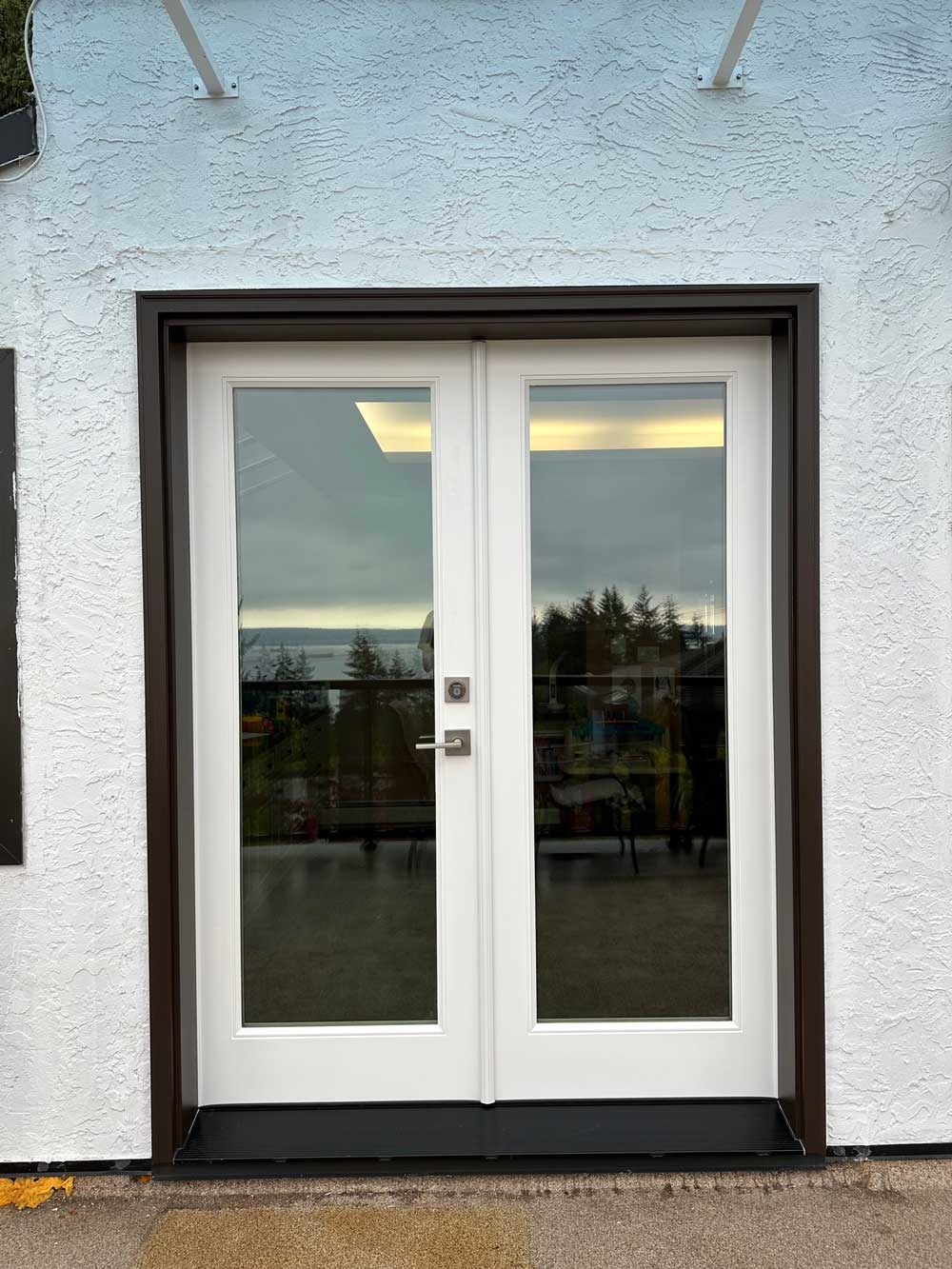
French Door Materials: Cost, Durability, and Maintenance Compared
The material you choose for your French doors affects more than appearance. It influences how the doors handle moisture, temperature changes, maintenance requirements, energy efficiency, and the overall replacement cost.
For homeowners in British Columbia, exterior French doors need to perform well against rain, humidity, and seasonal changes while still matching the character of the home.
A quick comparison:
| If your priority is… | Consider… | Why it may fit |
|---|---|---|
| Low maintenance and weather resistance | Fiberglass French Doors | Durable, moisture-resistant, and well suited to changing weather conditions |
| Natural character and traditional design | Wood French Doors | Offers authentic grain, custom finishes, and a premium appearance |
| Interior wood appearance with exterior protection | Clad Wood French Doors | Combines the warmth of wood with improved exterior durability |
| Lower upfront investment | Vinyl French Doors | Provides affordability and simple maintenance |
Fiberglass French Doors: A Practical Choice for BC Homes
Fiberglass has become one of the most popular choices for exterior French doors because it provides a strong balance between durability, appearance, and maintenance.
Unlike natural wood, fiberglass does not absorb moisture in the same way, making it a practical option for Vancouver and Lower Mainland homes exposed to frequent rain and changing weather conditions. Many modern fiberglass doors also feature realistic wood-grain finishes, allowing homeowners to achieve a traditional look without the same level of upkeep.
Typical installed cost:
$1,500–$4,500
Fiberglass is often chosen by homeowners who want:
- Better resistance to moisture and temperature changes
- Less maintenance than natural wood
- Good insulation performance
- Flexible style options
Wood French Doors: Traditional Beauty With Ongoing Care
Wood remains a favourite choice for homeowners who value craftsmanship and natural materials. The grain, texture, and warmth of real wood create a look that works especially well in heritage homes, traditional properties, and custom renovations.
The main consideration is maintenance. In British Columbia’s coastal climate, wood doors require proper finishing and regular care to help protect against moisture exposure and seasonal movement.
Wood French doors are usually a higher-investment option, with installed costs commonly ranging from $2,500 to $6,000+, depending on the design, finish, and customization.
For homeowners who prioritize architectural character and a premium natural appearance, wood can be an excellent choice when the additional maintenance is acceptable.
Clad Wood French Doors: Premium Appearance With Added Protection
Clad wood combines the warmth of natural wood indoors with a protective exterior layer, commonly aluminum, to improve resistance against weather exposure.
This option is often chosen for custom homes and higher-end renovations where interior appearance is important, but homeowners still want better protection against moisture and seasonal changes.
Because of the additional materials and construction, clad wood French doors are typically one of the more expensive options, with installed costs often ranging from $3,000 to $7,000+.
Vinyl French Doors: A Budget-Conscious Option
Vinyl French doors can be a practical choice for homeowners looking for a lower upfront investment and minimal maintenance requirements.
They provide reliable everyday performance and good insulation, although some homeowners may prefer fiberglass, wood, or clad wood for larger openings or projects where architectural details are a priority.
Installed vinyl French doors typically range from $1,000 to $2,500, making them one of the more affordable replacement options.
The Glass Choices Behind French Door Performance
The type of glass used in a door system can also influence the overall replacement investment, especially when homeowners choose upgraded glazing, decorative options, or larger glass configurations.
For homes in British Columbia, where damp winters and frequent rain are common, the right glazing can help reduce heat loss, improve indoor comfort, and minimize condensation.
Double-Pane Low-E Glass: The Standard Choice for Most Homes
Most modern French doors use insulated double-pane glass with a Low-E coating. This combination helps reduce heat transfer while allowing natural light into the home.
For many replacement projects, it provides a practical balance between energy performance and budget.
Benefits include:
- Better insulation than older glass systems
- Improved indoor comfort
- Reduced heat loss during colder months
- Better overall efficiency
Triple-Pane Glass: For Higher Energy Performance
Triple-pane glass adds another layer of insulation and can improve thermal performance compared with standard double-pane options.
It may be worth considering for homeowners who:
- Want maximum energy efficiency
- Have large exterior glass areas
- Are replacing older, less efficient doors
- Prioritize year-round indoor comfort
The additional glass layer increases the initial investment, but it can be valuable for homes where energy performance is a major priority.
Decorative and Privacy Glass Options
Glass upgrades are not only about efficiency. Some homeowners choose decorative or privacy glass to improve the appearance of their French doors or create more separation between spaces.
Common options include:
- Frosted glass
- Textured glass
- Decorative patterns
- Custom privacy designs
These choices can add visual appeal but may increase the total project cost depending on the style selected.
For exterior French doors, glass performance should be considered as part of the complete system. The frame quality, hardware, installation, and weather sealing all work together to determine how well the doors perform over time.
These choices can add a unique look to the home but may increase the overall project cost depending on the design.
Choosing glass is often a balance between the look you want, the comfort level you expect, and how much you want to invest in energy performance. A well-designed glass package can make a noticeable difference in how comfortable the space feels and how well the doors perform over time.
The right glass package should match your home’s location, exposure, and comfort goals. For exterior French doors, it is one part of a complete system that includes the frame, hardware, and installation quality.
When French Door Replacement Becomes a Larger Renovation Project
This type of project is often considered when replacing an older patio door system, especially when homeowners are deciding between a traditional French door design and other patio door configurations. The overall cost factors can vary depending on the opening size, materials, and installation requirements.
These changes can increase labour, materials, and preparation requirements.
These factors are why two homes with similar-looking French doors can have very different replacement costs.
Understanding these details helps explain why French door replacement cost is not determined by the door unit alone.
Creating a Wider Door Opening
Expanding an existing opening to install larger French doors is one of the biggest factors that can change project costs.
Depending on the home, the work may involve:
- Adjusting surrounding framing
- Adding structural support when required
- Updating interior and exterior finishes
- Repairing areas affected by the renovation
A wider opening can significantly improve natural light and connection to outdoor spaces, but it requires more planning than replacing a door within the existing dimensions.
Older Homes May Need Additional Preparation
Many homes in the Vancouver area have older construction details that may require updates before a new door system can be installed.
During replacement, installers may identify:
- Uneven or outdated framing
- Previous modifications around the opening
- Areas that need improved moisture protection
Addressing these issues before installation helps create a better fit and reduces the chance of future performance problems.
Replacement vs. Renovation
The final cost often depends on whether you are replacing an existing French door or changing how the space functions.
A direct replacement is usually more predictable, while transforming a wall opening, enlarging access to a patio, or upgrading an older exterior connection requires additional planning.
Knowing whether your project is a simple replacement or a larger renovation makes it easier to compare quotes and understand where additional costs may come from.
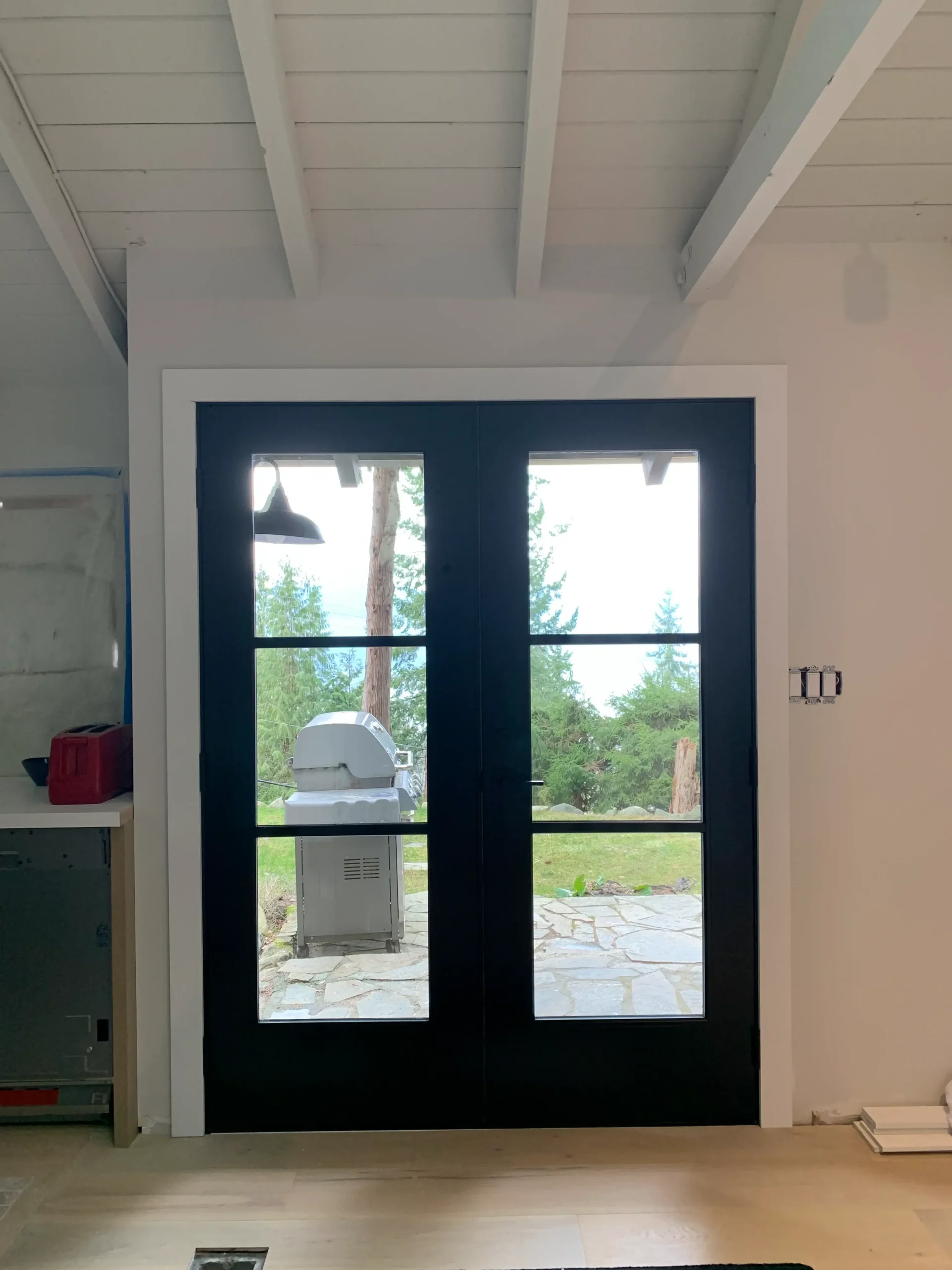
What Professional French Door Installation Should Include
French doors require precise installation because both door panels need to align correctly, seal properly, and operate smoothly together. Even a high-quality door system can experience performance issues if the opening preparation, alignment, or weather sealing are not handled properly.
A professional installation typically focuses on three important areas:
Preparing the Opening
Before installing the new French doors, the existing opening should be inspected to confirm that it can properly support the new system.
This may include:
- Removing the existing door unit
- Checking the surrounding frame condition
- Making necessary adjustments before installation
- Ensuring the opening is level and properly prepared
A properly prepared opening helps prevent issues with operation, sealing, and long-term performance.
Aligning the Door System
Unlike a single entry door, French doors depend on two panels working together. The hinges, frame, and locking points must be correctly adjusted so the doors open smoothly and close securely.
Professional installers typically check:
- Frame alignment
- Hinge adjustments
- Door panel positioning
- Hardware operation
Proper alignment is especially important because small installation issues can become more noticeable over time.
Weather Sealing and Final Checks
For exterior French doors in British Columbia, installation quality also plays an important role in moisture protection and energy performance.
The final installation should include attention to:
- Proper flashing and sealing around the opening
- Weather protection details
- Hardware adjustment
- Final operation checks
A well-installed French door system improves comfort, protects against weather exposure, and helps ensure the performance you expect from your investment.
Frequently Asked Questions
How much does it cost to replace French doors in Canada?
A professionally installed French door replacement typically ranges from $1,200 to $5,000+, depending on the material, size, glass options, installation requirements, and condition of the existing opening. In Metro Vancouver and the Lower Mainland, many projects fall between $1,700 and $4,800.
How long does French door installation take?
A standard French door replacement can often be completed within a day. More complex projects involving structural changes, larger openings, or additional finishing work may require more time.
Are energy-efficient French doors worth the extra cost?
For many Canadian homes, upgraded glass and better-performing door systems can improve comfort, reduce heat loss, and help minimize condensation. The value depends on the home’s existing doors, climate exposure, and long-term goals.
Should I repair or replace my French doors?
If the door frame is still in good condition and the issue is limited to hardware or glass, repairs may be possible. However, replacement may provide better long-term value when the system is outdated, damaged, or no longer performs well.