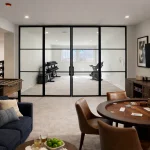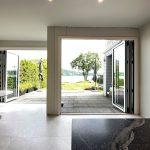

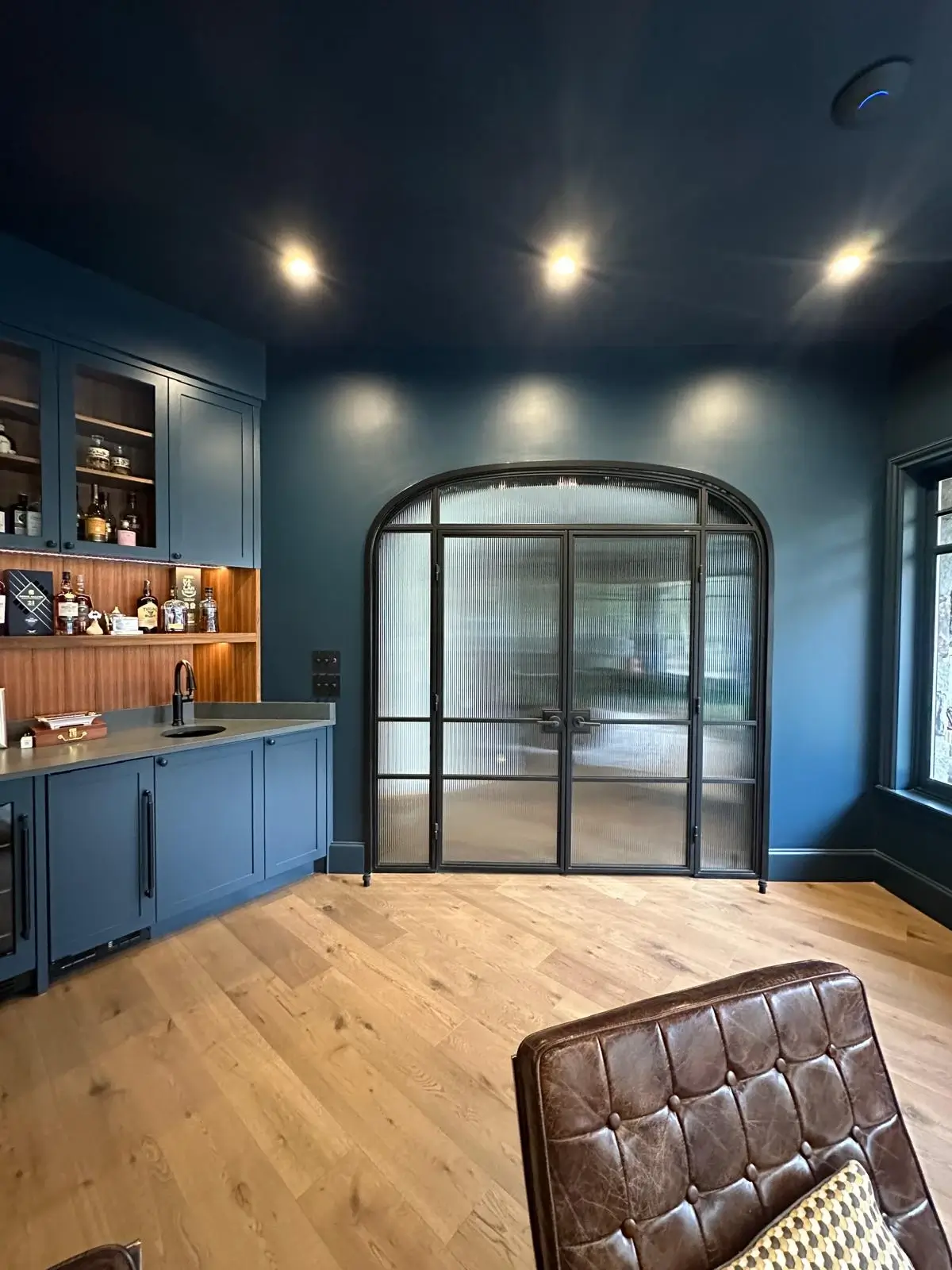
Choosing energy efficient sliding glass doors involves more than comparing glass types. The right combination of glazing, frame construction, and weather seals can help reduce heat transfer, limit drafts, and make indoor spaces more comfortable. Learn how to compare energy ratings and identify the features that matter when choosing a sliding glass door for your home in Vancouver or the Lower Mainland.
What Makes Sliding Glass Doors Energy Efficient?
What makes energy efficient sliding glass doors perform well is not just the glass. The frame, insulation, and seals all play a part in keeping indoor temperatures comfortable and reducing unwanted heat transfer.
Glass: Double-Pane, Triple-Pane, and Low-E
Glass selection plays a major role when comparing energy efficient sliding glass doors. Most energy-efficient sliding doors use double- or triple-pane glass, with an insulating space between the panes. Triple-pane glass can offer better insulation, but it isn’t automatically the right choice for every home. Compare the performance of the complete door before deciding.
You may also come across Low-E glass. It has a thin, transparent coating that helps control heat transfer. Depending on the coating, it can help retain indoor heat or reduce unwanted solar heat entering your home.
Insulated Glass and Gas Fills
The space between glass panes is often filled with argon gas to improve insulation. Some doors also use warm-edge spacers, which help reduce heat transfer around the edges of the glass.
These features aren’t always visible, so check the manufacturer’s specifications when comparing products.
Choosing the Right Frame
The frame matters just as much as the glass. Vinyl and fiberglass frames generally offer good insulating properties, while aluminum is more conductive. Thermally broken aluminum frames include an insulating barrier to help reduce heat transfer.
Each material has its own advantages in durability, appearance, and maintenance. Rather than choosing by material alone, compare the energy ratings of the complete door.
Weatherstripping and Seals
Even well-insulated glass won’t perform as expected if cold air can get in around the door. Weatherstripping and tight seals help prevent drafts when the door is closed.
Pay attention to how the panels meet and how the door seals along its edges. Proper installation matters too: gaps around the frame can affect performance, even when the door itself is well designed.
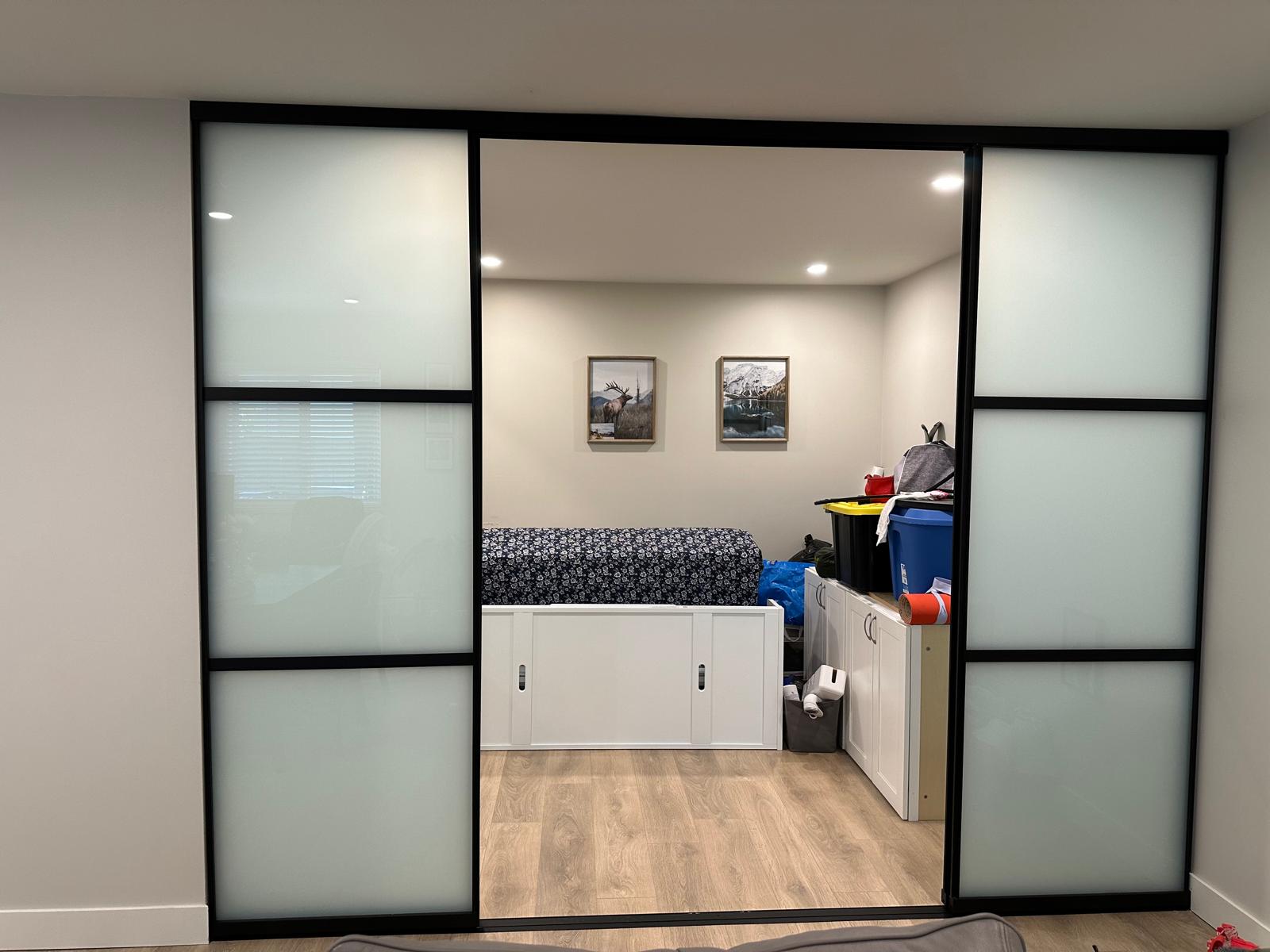
Understanding Energy Performance Ratings for Sliding Glass Doors
When comparing sliding glass doors, looks and materials only tell part of the story. The manufacturer’s energy ratings give you a better idea of how well a door handles heat loss, sunlight, and air leakage.
You don’t need to be an expert to understand them. Here are the main ratings worth checking.
U-Factor: How Well Does the Door Keep Heat In?
U-Factor measures how easily heat passes through a door. A lower number means better insulation, which can help keep indoor heat from escaping during colder months.
If you’re concerned about heat loss, this is one of the first numbers to look at.
Solar Heat Gain Coefficient (SHGC)
SHGC tells you how much heat from sunlight passes through the glass. A higher value allows more solar heat inside, while a lower value limits it.
Neither is automatically better. The right choice depends on how much sunlight your door receives, its orientation, and whether you want to make use of natural heat or limit it.
Energy Rating (ER)
Energy Rating (ER) combines factors such as heat loss, solar heat gain, and air leakage into one overall performance value under the Canadian rating system. A higher ER generally indicates better energy performance. It’s useful when comparing products, but it’s still worth checking the individual ratings to understand where the differences come from.
A higher ER generally indicates better energy performance. It’s useful for comparing products, but it’s still worth checking the individual ratings to see where the difference comes from.
Air Leakage
Air leakage measures how much air can pass through a closed door under test conditions. A lower rating means less air gets through, which can help reduce unwanted drafts.
Keep in mind that this measures the door itself. Gaps around a poorly installed frame can still let air in, regardless of the product’s rating.
What Should You Compare?
Before choosing a sliding glass door, check the manufacturer’s specifications for:
- U-Factor and SHGC
- Energy Rating (ER), if available
- Air leakage rating
- Whether the ratings apply to the complete door or just the glass
In Canada, energy performance may be reported using CSA A440.2, while some products sold here also display NFRC ratings. These systems use different testing and reporting methods, so check which standard a product follows before comparing its numbers with another door.
You can learn more about how energy-efficient products are evaluated in Natural Resources Canada’s guide to ratings and certification.
The main thing to remember is that one rating doesn’t tell the whole story. Look at the complete door’s performance and consider how it will work in your home.
What Difference Does an Energy-Efficient Sliding Glass Door Make?
A well-insulated sliding glass door can make a noticeable difference in how comfortable a room feels. The benefits aren’t limited to energy use; they can also affect drafts, condensation, and outdoor noise.
A More Comfortable Indoor Space
Older or poorly insulated sliding doors can allow heat to escape during colder weather and let unwanted heat enter during warmer months. Better glazing, insulated frames, and properly fitted seals help reduce these temperature changes.
This can make rooms near the door feel more comfortable throughout the year, particularly in areas with large glass openings.
Less Condensation on the Glass
Condensation can appear when warm, moist indoor air meets a cold glass surface. Better-insulated glazing helps keep the inside surface warmer, which can reduce the likelihood of condensation.
However, indoor humidity and ventilation also play a role. If moisture appears between the glass panes, it may indicate that the sealed glass unit has failed.
A Quieter Indoor Environment
The glass, frame, and seals can also influence how much outside noise enters your home. Double- or triple-pane glazing may help reduce noise, although the result depends on the glass thickness, spacing, overall door construction, and quality of the seals.
If your home faces a busy street or noisy outdoor area, this may be another feature worth considering when comparing doors.
Look Beyond Energy Savings
Energy performance is important, but it’s worth considering durability and everyday use too. Check the quality of the hardware, how smoothly the panels operate, the product warranty, and the maintenance requirements. These details can make a difference to how well the door serves your home over time.
Does Your Existing Sliding Glass Door Need Replacing?
If your current sliding glass door feels drafty or has become difficult to open, replacement may not be necessary straight away. Sometimes the problem is as simple as worn weatherstripping, dirty tracks, or damaged rollers.
Other signs deserve closer attention. Fog trapped between the glass panes can indicate a failed insulated glass seal, while recurring water leaks may point to problems with the door’s seals, drainage, or installation.
The right solution depends on the condition of the door. A repair may be enough if the problem is isolated, but if several components are worn or the door no longer provides adequate insulation, replacing the complete system may be worth considering.
If the insulated glass unit has failed, replacing the glass may be an option without replacing the entire door. For a broader look at replacement options and pricing, see our guides to glass door replacement costs and patio door replacement costs.
Why Proper Installation Matters
Even the best energy efficient sliding glass doors may not perform as expected if they aren’t installed properly. If the frame isn’t fitted properly or there are gaps around the opening, cold air and moisture can still find their way inside.
The door needs to sit level and square, the panels should slide and close without difficulty, and the space around the frame must be properly insulated and sealed. For an exterior door, flashing and weather protection are just as important, particularly in Vancouver and the Lower Mainland, where rain is a regular part of the weather.
When getting installation quotes, ask what’s included. Removing the old door, insulating around the frame, sealing, flashing, and finishing may not all be covered in the initial price.
Before installation is complete, the door should be checked to make sure it slides smoothly, closes tightly, and locks properly. The installer should also check the seals and surrounding finish, with no visible gaps or unfinished edges.
Choosing an Energy-Efficient Sliding Glass Door for Your Home
Choosing energy efficient sliding glass doors for your home depends on where they will be installed and what you need them to do. A door that gets direct afternoon sun, for example, may need different glass specifications from one on a shaded side of the house.
Think about what bothers you most about your current door. Does the room feel cold in winter? Do you notice drafts around the edges? Is too much heat coming in during summer, or would you simply like to reduce outside noise? These details can help you decide which features are worth paying attention to.
Consider Vancouver’s Climate and Your Home’s Exposure
In Vancouver and the Lower Mainland, rain, moisture, and changing temperatures are worth considering when choosing an exterior sliding glass door. Pay attention not only to insulation, but also to how well the door seals against air and water.
The direction your door faces matters too. A south- or west-facing opening may receive considerably more direct sunlight than a shaded one, which can influence the type of Low-E glass and solar heat gain you should look for.
Rather than choosing a door based on a standard recommendation, compare its energy ratings, weather-performance specifications, and suitability for the location where it will be installed.
When comparing options, consider the glass, frame, weather seals, hardware, and overall energy performance together. Check the product warranty and what the installation warranty covers, too. A higher-rated door may offer better insulation, but it should also suit your home, budget, and preferred style.
If you’re still deciding which design would work best, take a look at our guide to different types of sliding doors.
Choosing the Right Sliding Glass Door
The right energy efficient sliding glass doors should suit your home, perform well in your local climate, and provide the comfort and functionality you expect.
If you’re considering an upgrade in Vancouver or the Lower Mainland, Novin Doors can help you explore sliding and patio door options for your project. Contact our team to discuss what you’re looking for.