
Interior metal doors with glass are quickly becoming a favorite in modern home design, and it’s easy to see why. These doors bring a sleek, stylish look that fits perfectly with today’s love for open, light-filled spaces. Their versatility makes them a standout choice—blending beauty with practicality in ways traditional doors often can’t. Whether you’re updating a single room or rethinking your whole home, interior metal doors with glass offer a fresh take on modern interior doors. This fits right into broader trends, like those explored in our “Interior Design Trends” guide, where airy and contemporary vibes reign supreme. In this article, we’ll dive into the benefits of interior metal doors with glass, explore design options, highlight practical uses, share installation tips, and discuss how to care for them over time.
Why Choose Interior Metal Doors with Glass?
So, what are the advantages of interior metal doors with glass? For starters, they let natural light flow freely, turning dim rooms into bright, welcoming spaces—a must-have for modern homes. The steel glass doors feature durable frames that resist wear and tear far better than wood, meaning less upkeep over time. They strike a perfect balance between form and function, offering a minimalist yet upscale look that elevates any interior.
Beyond aesthetics, these doors deliver real-world perks. Options with insulated glass can boost energy efficiency, keeping your home comfortable year-round. They also dampen sound, giving you privacy without feeling closed off.
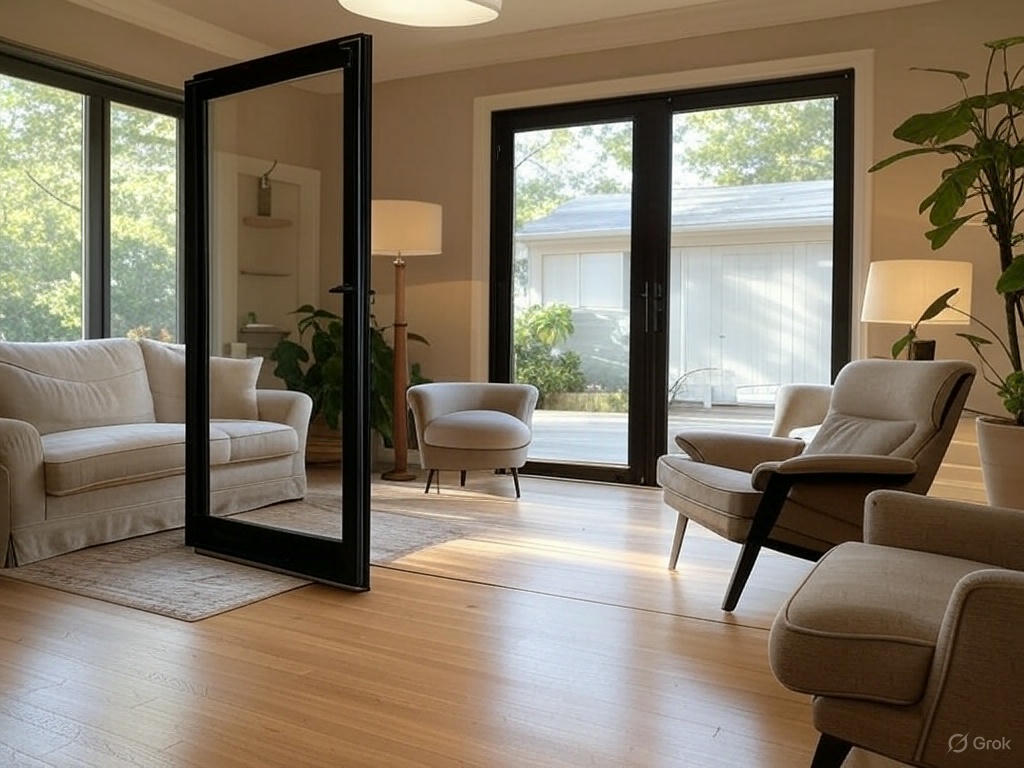
For homeowners, the benefits of interior metal doors with glass translate to better daily living—more light, less hassle, and a touch of luxury that feels effortless. It’s no wonder modern interior doors like these are gaining traction.
Design Options for Interior Metal Doors with Glass
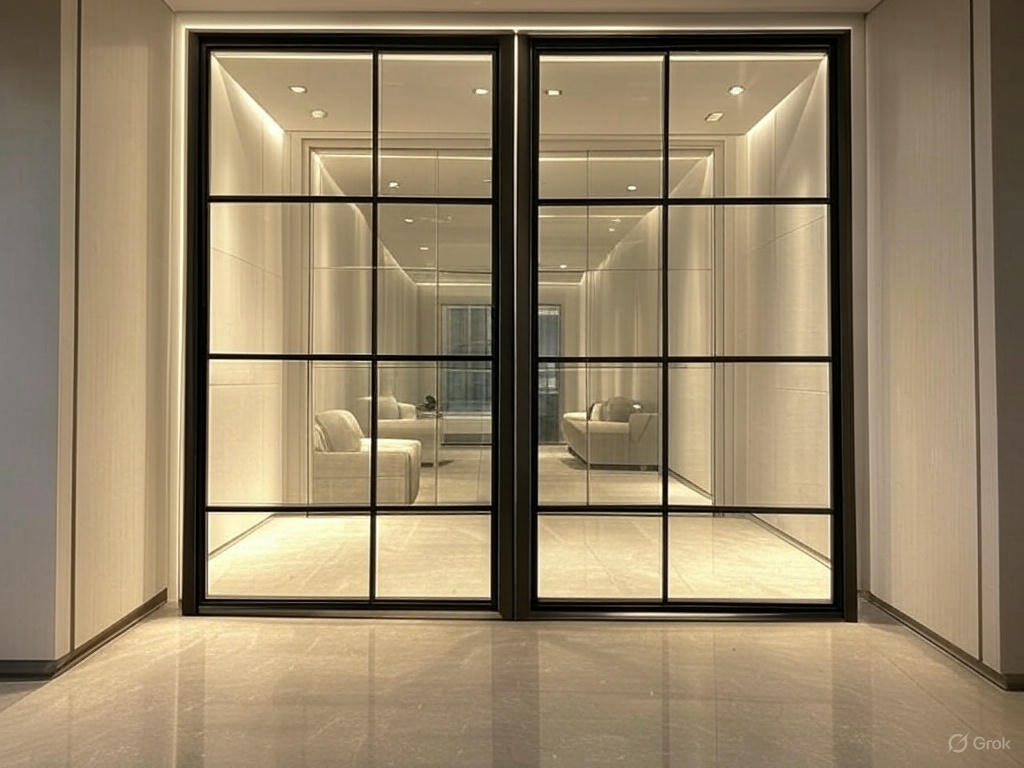
When it comes to interior metal doors with glass, the styles are as varied as your imagination. Wondering, “What styles are available?” Picture sleek black steel frames with clear glass for that cool industrial edge, or frosted glass panel doors for a softer, private feel. You can even go custom—think arched tops or antique mirror accents for a unique twist. These doors play well with all kinds of aesthetics, from modern and industrial to transitional, tying into the big-picture trends we cover in “Modern Home Doors.”
Practical examples bring it to life: French-style interior metal doors with glass add elegance to a dining room, while sliding barn-style versions save space with flair. Customization is key—choose finishes like matte black or brushed nickel, and pair them with glass types like tinted or textured. Whatever your vibe, these interior metal doors with glass design ideas make it easy to picture them in your home.
Practical Applications of Interior Metal Doors with Glass in Homes
How do interior metal doors with glass fit into modern homes? They’re incredibly versatile. Use them as room dividers—say, between a living room and dining area—to keep things open yet defined. In a home office, steel glass doors create a professional look while letting light in. For a wow factor, try them as a wine cellar entrance, blending luxury with utility.
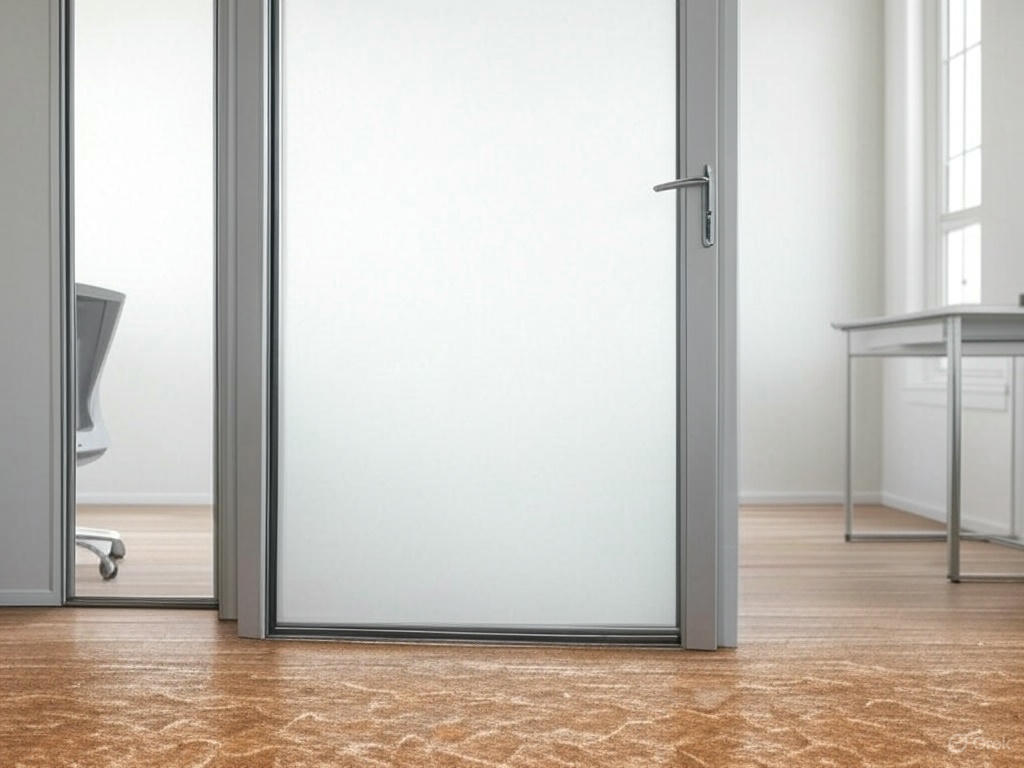
They’re especially great for small spaces. Interior metal doors with glass for small spaces, like sliding glass panel doors, maximize room without crowding it—perfect for tight apartments or cozy corners. In open-plan layouts (a hallmark of modern design), they enhance flow while offering subtle separation. Imagine a homeowner craving privacy but not wanting to lose that airy feel—these doors solve that problem beautifully. Check out our “Interior Design Trends” guide for more ways they fit into today’s homes.
Installation Tips for Interior Metal Doors with Glass
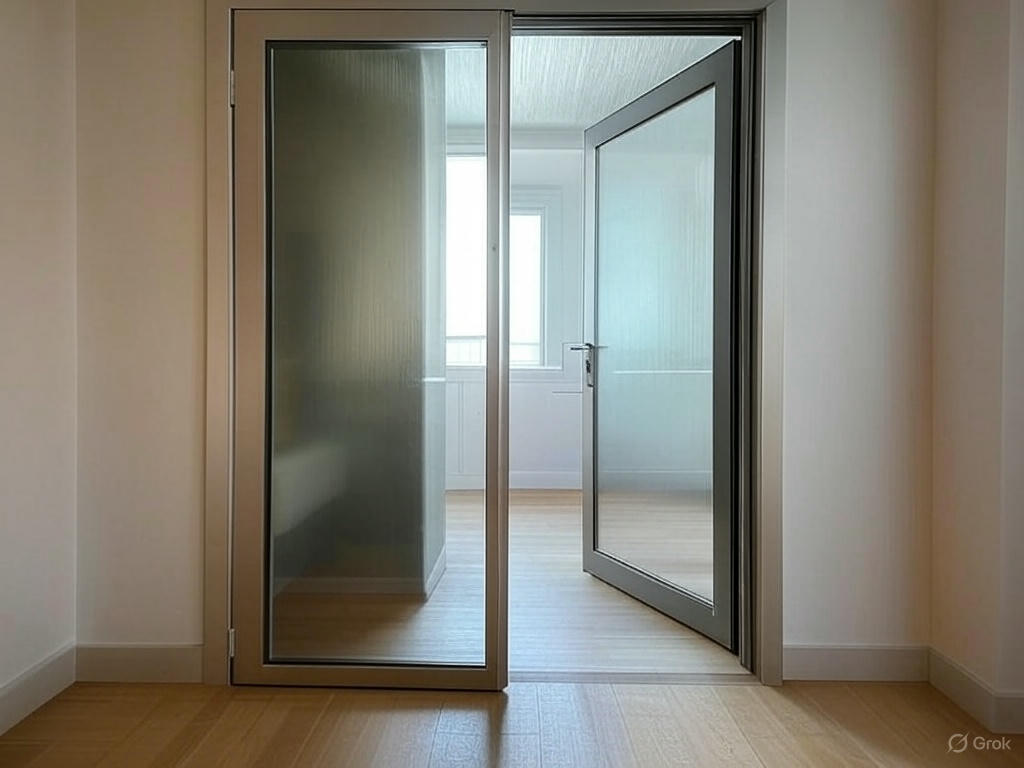
Are interior metal doors with glass easy to install? With some planning, yes. Start by measuring your space precisely—width, height, and clearance matter. Pick a frame that suits your needs—steel is sturdy, while aluminum is lighter—and ensure it aligns perfectly for smooth opening and closing. Opt for tempered glass for safety, especially in busy homes, and choose hardware like handles or hinges that match your style.
For trickier setups, like pivot doors, a pro might be worth it. Good installation isn’t just about function; it boosts your home’s overall design value, as we explore in “Modern Home Doors.” Keep it simple: measure twice, double-check alignment, and don’t skimp on quality materials. That way, how to choose interior metal doors with glass becomes less about guesswork and more about confidence.
Maintaining Interior Metal Doors with Glass
How do you keep interior metal doors with glass looking great? It’s simpler than you might think. Regular cleaning keeps them shining—wipe the metal frame with a damp cloth and mild soap to remove dust or fingerprints.
For the glass, a standard glass cleaner works wonders; just avoid harsh chemicals that could scratch or dull it over time. Check hinges and tracks (for sliding doors) every few months to ensure smooth operation—a quick tighten with a screwdriver or a dab of lubricant can prevent squeaks and keep everything running like new.
Durability is a big perk, but small steps help them last even longer. Avoid slamming them to protect the glass from cracks or stress, especially if it’s a high-traffic spot like a kitchen or hallway. I
f you spot rust on the frame—rare with quality steel or coated finishes—sand it lightly with fine-grit sandpaper and touch up with matching paint to stop it from spreading. For homes in humid climates, consider adding a dehumidifier nearby to reduce moisture buildup, which can affect metal over decades. These easy habits ensure your interior metal doors with glass stay functional and gorgeous, enhancing your home for years. It’s low-effort upkeep for a high-impact feature that keeps delivering day after day, making your investment worthwhile.
Conclusion
Interior metal doors with glass bring a lot to the table: they flood your home with light, offer endless design versatility, and work practically anywhere you need them. The benefits of interior metal doors with glass—durability, low maintenance, and that unbeatable modern interior doors appeal—make them a smart pick for today’s homes. With easy care, they’re built to last, standing up to daily use while keeping their sleek look intact. Whether you’re dreaming of a bold statement piece or a subtle upgrade to tie a room together, they’re worth considering for your next project—they’re that versatile.
Think about it: these doors don’t just solve design problems; they elevate your whole living experience. They let you enjoy brighter spaces, quieter corners, and a touch of sophistication without the fuss of constant repairs. From a cozy studio to a sprawling family home, they adapt to your needs and style. Ready to dive deeper into what’s possible? Explore more door trends in our main guide on modern home design—it’s packed with ideas to spark your creativity. Take the next step and imagine how interior metal doors with glass could transform your space into something special.