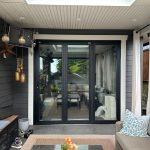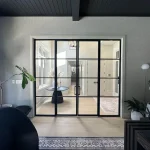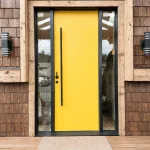

Walk past enough front doors in Vancouver in February and you’ll spot the same thing: a steel door with a thin rust-coloured stain creeping up from the bottom corner, right where a small scratch let the moisture in.
Short answer: for most Vancouver and Lower Mainland homes, fiberglass is the better pick, especially if your entrance takes rain, wind or afternoon sun. Steel still makes sense when upfront cost matters most or the door is well sheltered. We build fiberglass doors in Burnaby, so we’ll be straight about where fiberglass falls short and where steel wins.
Why Vancouver’s Climate Is Hard on Exterior Doors
Vancouver doesn’t put doors through months of deep cold. The problem is damp. Environment and Climate Change Canada’s 1991–2020 normals record about 1,160 mm of precipitation a year at Vancouver International Airport, and most of it falls in the cooler months. You can check the numbers in the climate normals.
For a door, that adds up to a few specific problems:
- Constant moisture. Bottom edges, thresholds and corners can stay wet for most of the rainy season.
- Mildew and moss. Covered entrances with little sun take longer to dry out.
- Salt air. Homes close to the water see faster corrosion wherever metal is exposed.
- Strong summer sun. South- and west-facing doors take a beating, and dark finishes feel it first.
That’s why the material, the finish and the installation matter more here than in a dry climate.
Moisture and Rust: Where Steel Struggles
Fiberglass doesn’t rust. Steel does, once its coating is damaged and water reaches bare metal. It usually starts at a scratch, a chip, an exposed edge or anywhere water collects, and it can spread under the paint if nobody repairs it.
That doesn’t make steel a bad choice. A quality steel door with an intact coating can last for years, and on a covered porch it’s easy to keep in good shape. On an exposed entrance that gets soaked every winter, it becomes a regular chore.
Fiberglass skips the corrosion problem entirely. It also holds its shape better than wood, so it’s less prone to swelling and warping as the weather changes.
One catch: the slab isn’t the only thing keeping water out. Flashing, sill and threshold construction, weatherstripping and drainage all matter, and a well-installed steel door will beat a badly installed fiberglass one. At Novin Doors, we look at more than the door material when considering how well an entrance will handle moisture. The fit, sealing, threshold and weatherstripping all play a part in keeping water out. Fiberglass avoids the risk of rust, but the overall performance still depends on how the door is installed and how well the surrounding components are fitted.
Insulation: Compare the Door, Not the Material
Both fiberglass and steel doors are usually built around an insulating foam core. So fiberglass isn’t automatically the better insulator, and a well-made steel door can outperform a cheap fiberglass one. The frame, glass and weatherstripping all affect the result.
Ask for the energy numbers on the exact door you’re considering. Two matter in Canada:
- U-factor: how much heat passes through the door. Lower is better.
- Energy Rating (ER): an overall score that includes heat loss, air leakage and solar heat gain. Higher is better.
Natural Resources Canada explains both in its guide to ratings and certification for windows and doors. If your door has glass or sidelites, ask for their ratings too.
Durability: Dents, Cracks and Fading
Both materials last. They just wear out in different ways.
Fiberglass
- Shrugs off everyday bumps and doesn’t dent easily.
- Won’t swell or warp the way natural wood can.
- Can crack or puncture under a hard enough hit, and that repair is more involved than touching up paint.
- Dark finishes can fade with years of direct sun, so follow the maker’s care and refinishing advice.
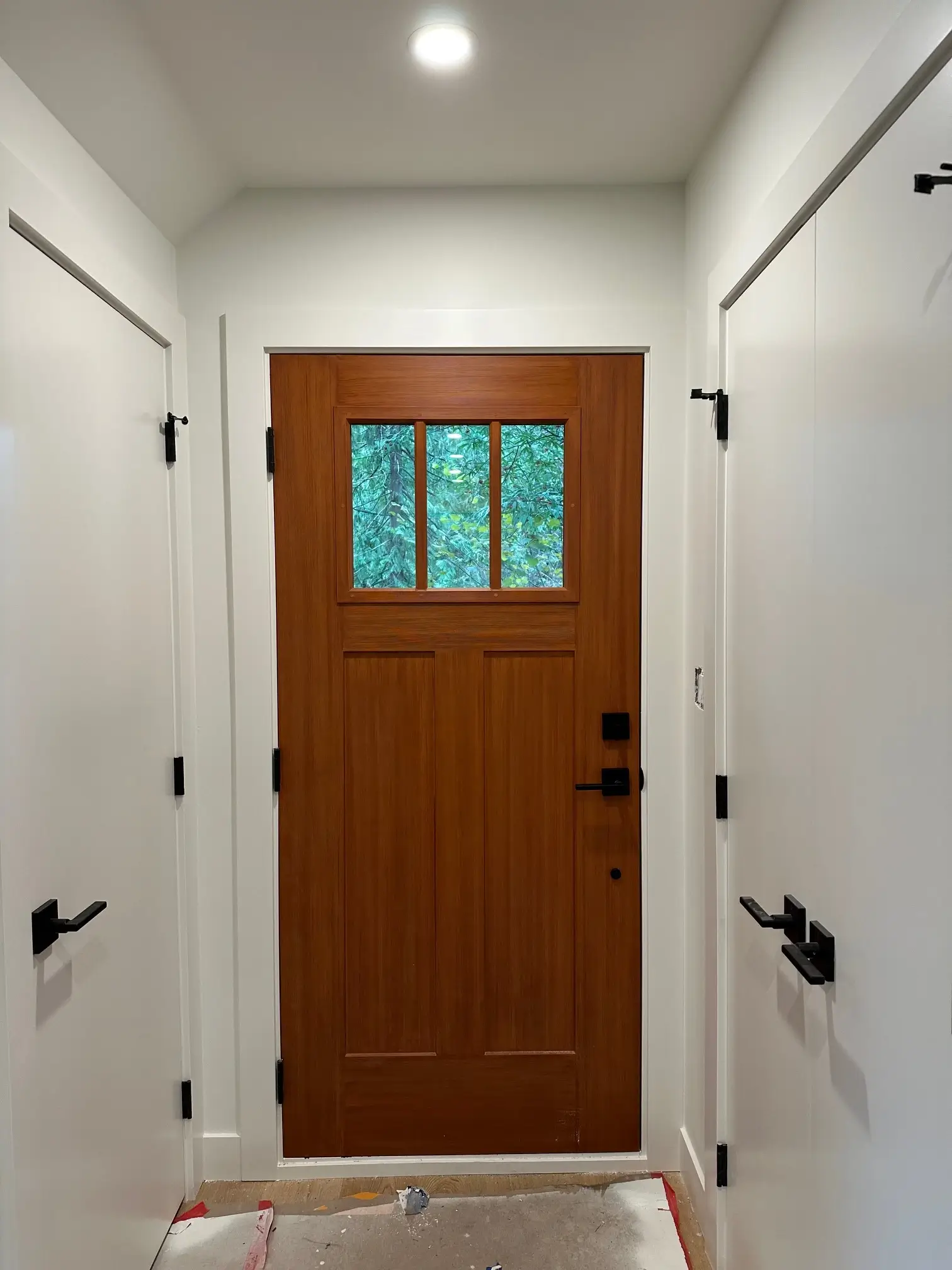
It also comes in woodgrain finishes that look like real wood, without the regular staining and sealing.
Steel
- Rigid and strong, which is why it’s popular for practical entrances.
- Dents from bikes, furniture or deliveries, and those dents are hard to fix invisibly.
- A chip in the paint exposes the metal and gives rust a way in.
- Mostly a painted look, though styles vary.
For an exposed front door where low upkeep matters, fiberglass usually comes out ahead. For a sheltered door on a tighter budget, steel does the job well.
Fiberglass vs Steel at a Glance
| Fiberglass | Steel | |
|---|---|---|
| Rust | Doesn’t rust | Can rust if the coating is damaged |
| Impact | Resists dents; can crack under a hard hit | Strong; dents and chips the paint |
| Insulation | Foam core available | Foam core available |
| Upkeep | Low; finish care varies by product | Inspect and repair paint promptly |
| Look | Smooth or woodgrain; paint or stain | Mostly painted |
| Upfront cost | Usually higher | Usually lower |
| Best for | Exposed entrances, a wood look with less upkeep | Tight budgets, sheltered or side doors |
Which one is right comes down to the door’s exposure, its construction, your budget and the look you want.
Is a Steel Door More Secure?
Steel has a strong reputation, and a well-built steel door resists forced entry very well. But the slab is only one piece. Most of the security comes from:
- The frame: it needs to be solid, reinforced and installed properly.
- The deadbolt and strike plate: good hardware with long screws.
- The hinges and fit: a door that’s hung correctly holds up better.
- Any glass: where it sits and what it’s made of both count.
A well-built fiberglass door in a solid frame with good locks can be just as secure for a typical home. A strong slab in a weak frame won’t protect you whatever it’s made of.
If the door leads from your garage into the house, check the fire and building-code requirements for that opening. Don’t assume a steel door is fire-rated. The rating has to be confirmed for the specific door and frame.
What Does Each One Cost in Canada?
Steel is usually cheaper upfront. Fiberglass costs more because of how it’s built and the finishes available. As a rough planning guide for the door alone, based on general pricing in Canada:
- Steel entry door: about $1,000–$2,500
- Basic fiberglass entry door: about $1,500–$3,000
- Fiberglass with more elaborate styling or glass: about $3,000–$5,500+
These are estimates, not quotes. Custom sizes, decorative glass, sidelites, hardware and finishes all push the price up, and installation and frame work are on top of that.
On an exposed entrance, fiberglass can pay off if it saves you repainting and rust repairs. That isn’t guaranteed, so weigh it against how much weather the door actually sees. For a full breakdown, see our guide to front door replacement costs in Canada.
Which Should You Choose?
Go with fiberglass if
- Your front door gets regular rain and wind.
- You want the look of wood without staining and sealing it.
- Rust resistance is a priority.
- You’d rather wash the door than repair it.
- You’re fine paying more upfront.
Go with steel if
- Keeping the price down is the main goal.
- The door sits under a covered porch or in a sheltered spot.
- You like a plain painted finish.
- You don’t mind touching up scratches when they happen.
For most exposed front entrances in Vancouver and the Lower Mainland, fiberglass is the stronger all-rounder. Steel is a good fit for a sheltered side or back door, or when budget is the deciding factor.
Still unsure? Think about which way the door faces, how much rain reaches it and how much cover the porch gives it. Those three answers usually settle it.
Custom Fiberglass Doors from Burnaby
Novin Doors designs and supplies custom fiberglass exterior doors from our Burnaby location for homes across Metro Vancouver and the Lower Mainland. You can choose smooth or woodgrain finishes, along with glass options, hardware and layouts that suit your home, whether it’s a traditional entrance or a cleaner, modern look.
Ready to look at options? Explore our fiberglass exterior doors or contact us for a quote. Send your approximate door measurements and a photo of the entrance, and tell us how exposed it is. That’s enough for us to point you in the right direction.
Frequently Asked Questions
Are fiberglass doors better than steel in Vancouver’s rain?
For most exposed entrances, yes, because fiberglass doesn’t rust. Steel handles rain well too, as long as its coating stays intact and chips are repaired quickly. With either material, good installation and drainage matter.
Do fiberglass doors insulate better than steel?
Not by default. Both usually have a foam core, so the result depends on the door’s construction, frame, glass and seals. Compare the U-factor and ER of the specific doors.
Do steel doors rust in Vancouver?
Yes, if the paint is damaged. Scratches, chips and exposed edges let moisture reach the metal. Checking the finish and repairing damage early stops it from spreading.
Are fiberglass doors worth the higher price?
On an exposed front entrance, usually yes, since you spend less on upkeep and rust repairs. For a sheltered door or a tight budget, steel can be the better value.
Can a fiberglass door crack?
Yes, under a hard enough impact. It resists everyday dents better than steel, but a serious hit can crack or puncture the skin, and fixing that takes more work than a paint touch-up.
Are fiberglass doors good for soundproofing?
A foam-filled door with tight seals and good glazing cuts outside noise noticeably. The material matters less than the whole assembly: thickness, core, glass, frame and fit.