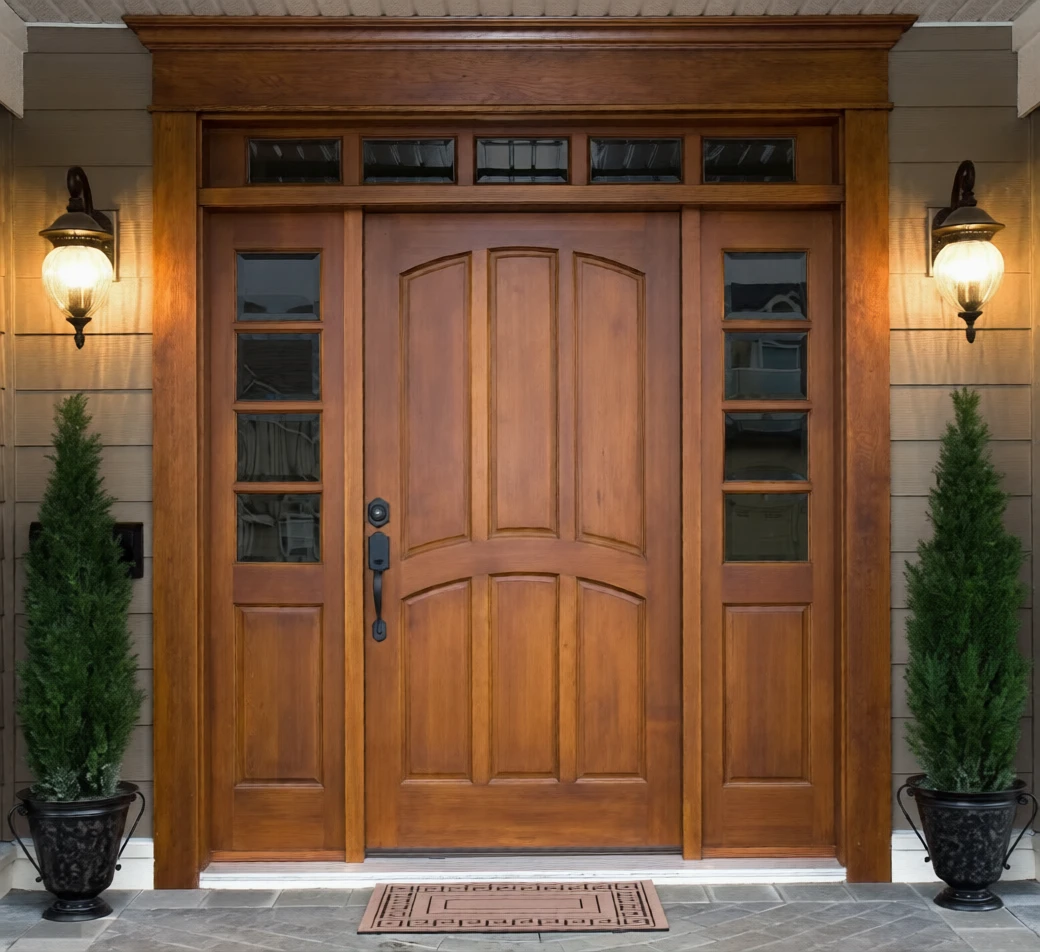
Custom wood doors bring warmth, character, and design flexibility that few materials can match. But selecting the right one involves more than style alone. Wood species, construction quality, and exposure to moisture all influence how well a door performs over time.
Because wood is a natural material, it responds to humidity and environmental changes. Without proper sealing, construction quality, and ongoing care, excess moisture can gradually impact a door’s stability and long-term performance — you can read about a well-recognized behavior of wood materials in damp conditions in this blog.
In this guide, we’ll walk through the key factors — from choosing the right material and construction method to understanding long-term value and what affects wood door replacement cost — so you can make a confident, well-informed decision.
Why Custom Wood Doors Make a Difference
Custom wood doors combine durability, style, and personalization that standard doors can’t match. Each door is crafted to fit your home’s design, whether it’s a classic Victorian, modern minimalist, or a uniquely sized entryway. Skilled artisans focus on quality and detail, producing finishes and materials that enhance your home’s curb appeal and long-term value.
Beyond aesthetics, custom wood doors offer practical benefits, including improved insulation, sound reduction, and structural strength. Understanding these factors ensures you choose a door that complements your home’s style while performing reliably for years.
Choosing the Right Wood for Custom Wood Doors
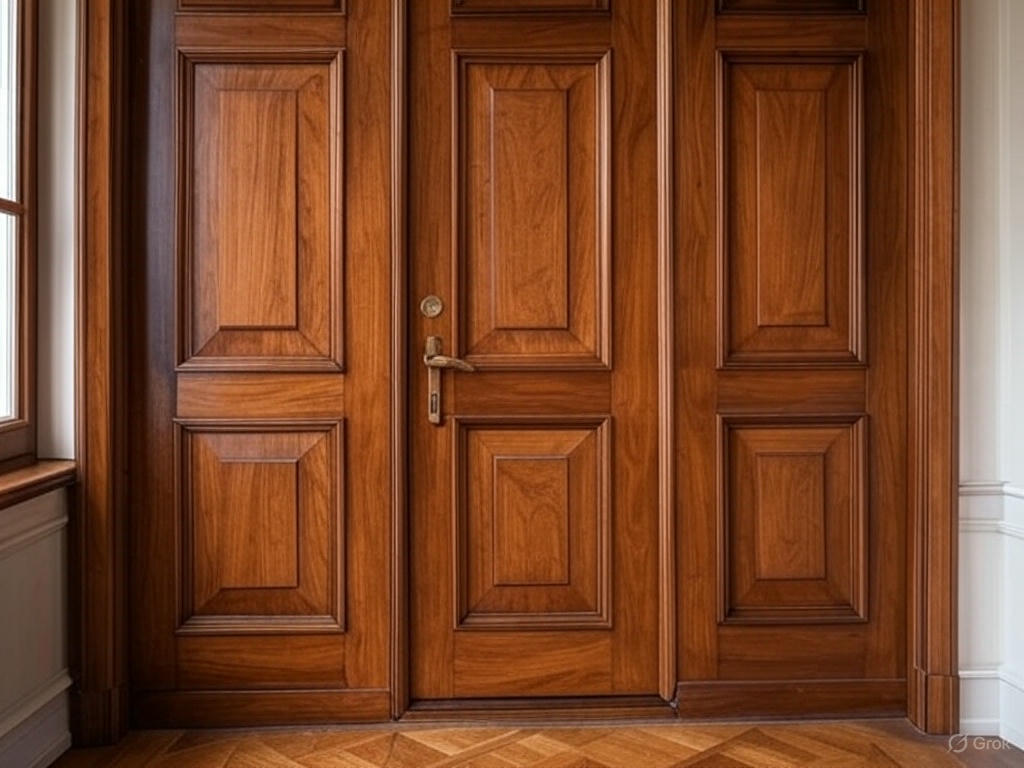
The type of wood you choose for your custom wood doors affects appearance, durability, and cost. Different species offer unique colors, grains, and performance characteristics, so it’s important to consider your climate, style preferences, and budget before making a decision. Understanding the strengths of each wood type will help you select a door that enhances your home’s look while standing the test of time.
Mahogany Wood Doors
- Durability: Strong, highly moisture-resistant
- Appearance: Rich, deep tone, ideal for classic or formal designs
- Cost: Premium pricing, reflects durability
- Best Use: Humid climates or high-end entrances
Oak Wood Doors
- Durability: Sturdy and long-lasting, moderately moisture-resistant
- Appearance: Classic grain, works in traditional or contemporary homes
- Cost: More affordable than exotic woods
- Best Use: Versatile; good for most climates
Walnut Wood Doors
- Durability: Hard and durable
- Appearance: Deep, luxurious tone for refined aesthetic
- Cost: High, premium option
- Best Use: Statement doors or upscale design
Cherry Wood Doors
- Durability: Medium hardness, ages beautifully
- Appearance: Warm reddish hue that darkens over time
- Cost: Moderate to high
- Best Use: Traditional or warm-toned interiors
Alder Wood Doors
- Durability: Softer wood, less moisture-resistant
- Appearance: Light and casual, perfect for rustic style
- Cost: Affordable
- Best Use: Rustic, farmhouse, or casual designs
Design Options and Customization Features for Custom Wood Doors
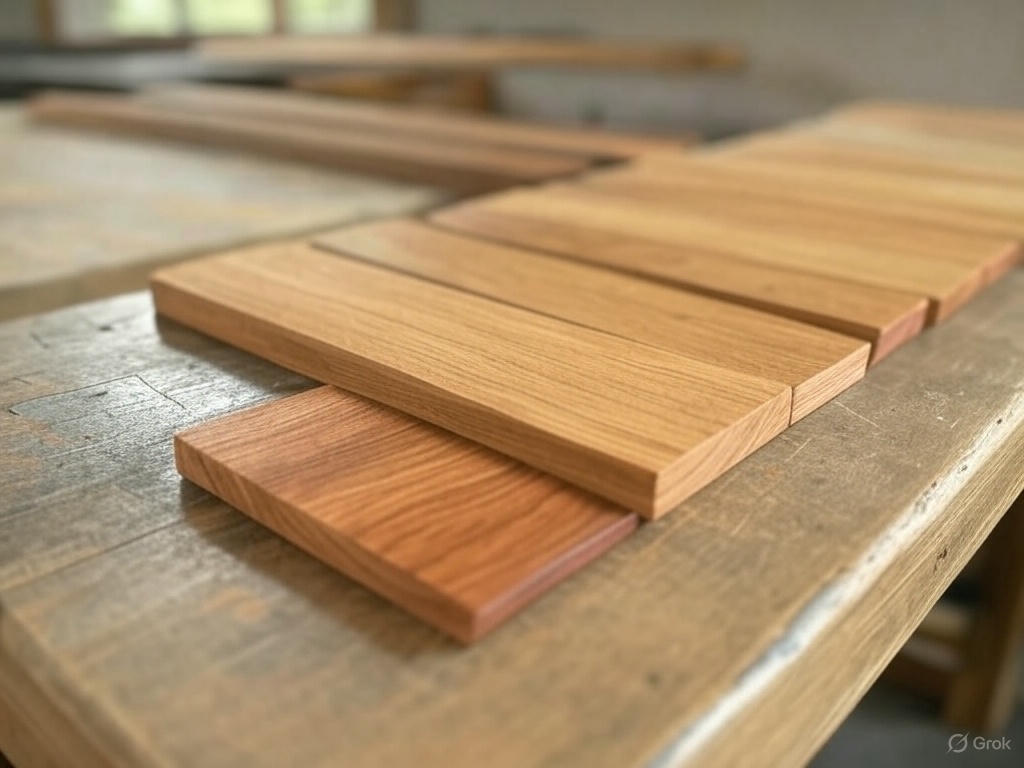
Custom wood doors allow you to tailor both style and function to your home. From paneling and glass inserts to hardware and finishes, there are countless ways to make a door fit your design vision. Thoughtful choices in design not only enhance aesthetics but also improve usability and long-term satisfaction.
Panel Styles
- Raised panels: Add depth and traditional elegance
- Flat panels: Simple and modern look
- Arched panels: Soft, elegant touch for classic or transitional homes
Glass Inserts
- Clear or frosted glass: Lets in natural light while maintaining privacy
- Decorative patterns: Adds character and custom flair
- Energy-efficient options: Improve insulation without sacrificing style
Carvings and Finishes
- Custom carvings: Floral, geometric, or personalized patterns
- Stains: Bold or subtle to highlight the wood grain
- Paints: Soft or vivid colors for a modern twist
Hardware and Details
- Handles and knobs: Iron, brass, or sleek contemporary designs
- Door shapes: Rounded tops or double doors for grandeur
- Practical considerations: Weatherproofing, hinges, and locks
When designing your custom wood door, prioritize features you’ll enjoy every day. A door should combine style, function, and durability — creating a lasting impression while meeting your household needs.
If you’re looking for inspiration or ready to explore options, check out our selection of wood doors in Vancouver. From classic designs to modern styles, you’ll find a variety of high-quality doors to match your home’s aesthetic and functionality needs.
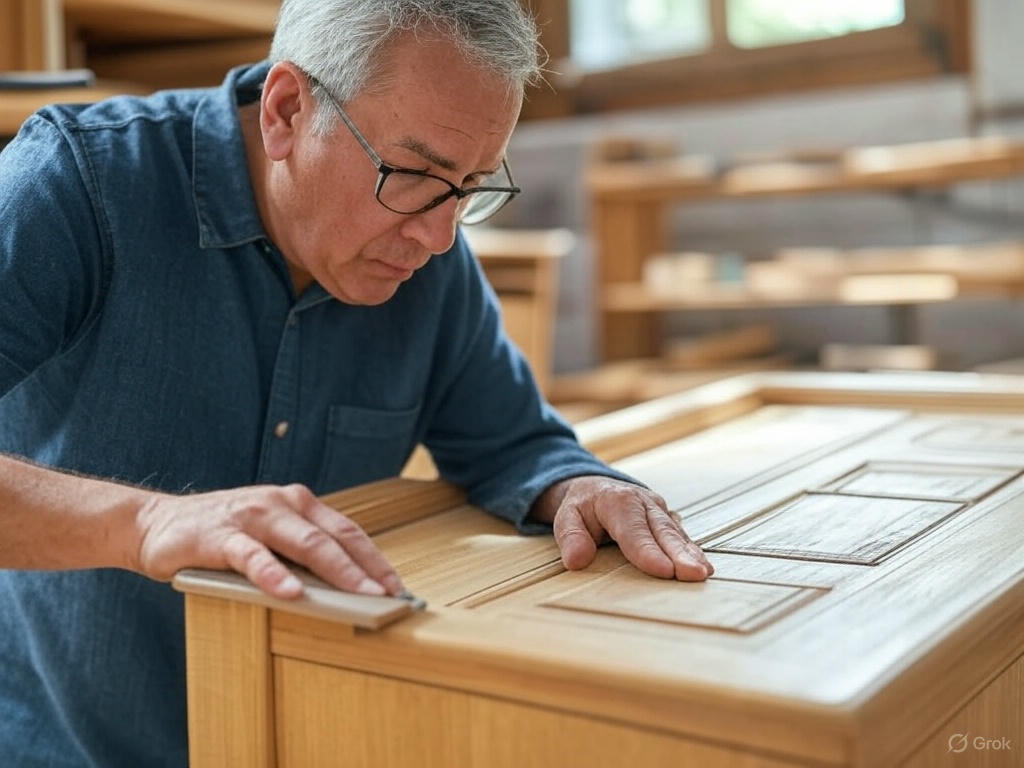
Durability and Maintenance for Custom Wood Doors
Investing in a custom wood door means considering not just looks, but long-term performance. How a door ages depends on the wood type, construction, and ongoing care. Choosing high-quality materials and understanding maintenance requirements ensures your door stays beautiful and functional for decades.
Construction and Wood Type
- Solid wood doors: Sturdy, timeless, but can warp in extreme conditions
- Veneered doors: More stable in moisture-prone areas, more affordable, though less heirloom-quality
- Joint strength: Mortise-and-tenon or similar construction improves stability
Weather Resistance and Protection
- Sealing and finishing: Protects against moisture, sun, and temperature changes
- Climate considerations: Extra coatings for snowy or humid regions
- Long-term durability: With proper care, doors can last decades
Routine Maintenance
- Cleaning: Mild soap and water to remove dirt
- Sealing or staining: Every few years to preserve finish and wood integrity
- Inspection: Check for wear, cracks, or fading to address issues early
Properly maintained custom wood doors combine style and durability. Thoughtful material selection, strong construction, and regular care will keep your wood entry doors looking elegant and performing reliably for years.
Cost Factors and Budgeting for Custom Wood Doors (Revised)
Custom wood doors are an investment, but the right choice adds long-term value to your home. Material selection has the biggest impact on price — exotic woods like walnut or teak typically cost more than oak or alder. Labor costs increase for hand-carved details, custom sizing, or complex designs. Features such as glass inserts, arches, or double-door setups also raise the total cost.
Typical cost ranges in Canada:
- Mass-produced doors: $200–$800 (basic materials, standard sizing, minimal installation)
- Custom wood doors: $1,500–$5,000+ (depending on wood type, size, design, and local labor rates)
Prices vary by region, supplier, and project complexity. For example, larger cities like Vancouver or Toronto usually have higher labor costs than smaller towns. Climate can also affect material choice — moisture-resistant woods may be needed in humid areas, which can increase cost.
Prices for custom wood doors vary by wood type, design, and location. To get a clearer picture of typical costs across Canada, see our detailed guide on Front Door Replacement Cost, which breaks down pricing and installation considerations for different styles and materials.
To budget wisely:
- Set a spending limit and prioritize essentials, like solid wood over decorative extras
- Shop around for quotes from local craftsmen or reputable suppliers
- Avoid over-customizing areas that won’t add significant value
With thoughtful planning, you can get a custom wood door that fits your home, your style, and your budget.
Conclusion
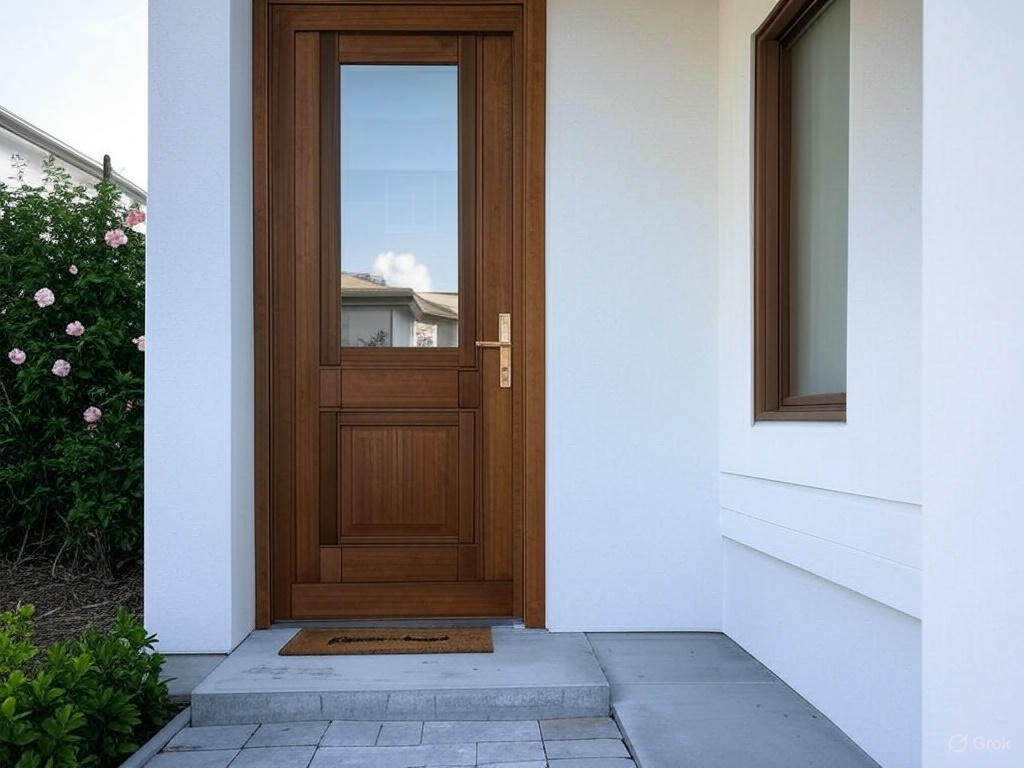
Choosing a custom wood door comes down to four key factors: wood type, design options, durability, and cost. Each decision impacts how the door looks, performs, and stands the test of time. Whether it’s selecting mahogany for strength, adding carved panels for style, maintaining the door properly, or budgeting wisely, every choice matters.
Custom wood doors are more than functional entryways — they’re statements of style and personal taste. Consider your priorities, balance aesthetics with practicality, and don’t hesitate to consult a professional for tailored advice. A well-chosen custom wood door can bring both beauty and lasting satisfaction to your home every day.